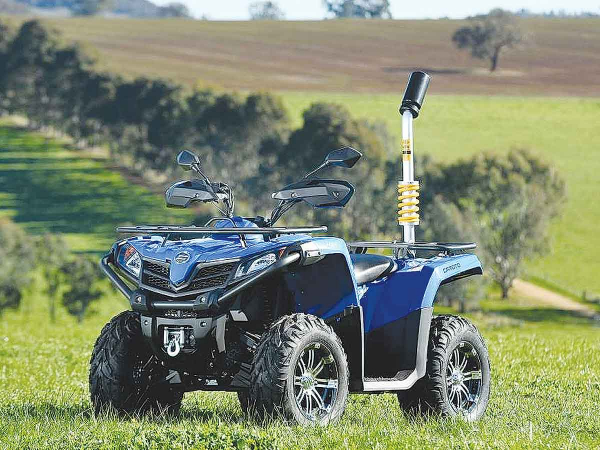
While big players Honda, Yamaha and Polaris are getting ready to pull the pin on the Australian quad bike market, CFMOTO is in the market for the long haul.
Honda, Yamaha and Polaris are planning to leave Australia before October 2021, when the Stage 2 requirements of the Consumer Goods (Quad Bike) Safety Requirements kick in. These rules require manufacturers to fit appropriate Operator Protection Devices (OPD) and fit swing tags to indicate the angle at which the machine will tilt onto two wheels.
CFMOTO’s Australian distributor, Mojo Motorcycles, says its entire quad bike range will be updated to meet the required standards, by October 2020 – a full year ahead of the new legislation.
To meet these requirements, Mojo has partnered with Queensland based Quadbar, with dealers fitting the devices at the pre-delivery stage. To meet the stability requirements, the company has worked with Crashlab in Sydney, who have confirmed the entire range exceeds the minimum ratings.
Elsewhere in the sector, the crackdown, brought about to reduce fatalities (128 deaths between 2011 and 2018) has seen growing concerns about product choice amongst farmers.
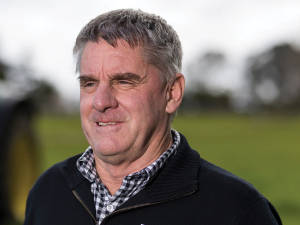
“I don’t believe manufacturers should be forced into fitting OPD’s to their machines if they don’t believe it’s in the best interest of the bike and the person buying it,” Paul O’Connor, director of a mixed farming operation in NSW says.
“Currently, if I buy a quad bike, I can choose whether to fit an OPD. I cannot see any good reason to legislate against that freedom of choice.”
Victorian Farmer Georgina Gubbins is asking for more informative data to be made available to understand the age groups of those involved in accidents and the types of machines they were riding.
“Manufacturers withdrawing from the market means we may have to switch to side by sides that will undoubtedly get bogged down in our high rainfall area” she says.
Meanwhile, anecdotal evidence suggests some farmers are currently buying multiple machines to beat the implementation of the new regulations, leaving dealers running very low on stock for the rest of the year.