Ballance Farm Environment Awards Launch on West Coast
The Ballance Farm Environment Awards are coming to the West Coast of the South Island.
 increase font size
 New Zealand’s ag sector has committed to 100% of farms having an annual total greenhouse gas emissions number by the end of 2022.
A software providing greenhouse gas emissions measurement and scenario planning programme for the whole farm has been released.
Released by Farmax, the new software allows farmers to look at a variety of farm input scenarios, showing not only how production and profitability are affected, but also how a farm’s environmental footprint is affected.
New Zealand’s agricultural sector has committed to 100% of farms having an annual total greenhouse gas emissions number by the end of 2022.
This sector promise will require every pastoral farmer to put a measurement system in place within 21 months’ time – a challenging timeline.
Farmax chief executive Gavin McEwen says the software will help farmers tackle this challenge.
“We’ve worked with AgResearch and DairyNZ scientists to incorporate a number of environmental measures into our latest release, including greenhouse gas emission reporting, to help farmers meet the 2022 sector target.
“This new functionality allows farmers to explore ways to improve the predicted outcome in the context of their own business while also considering the impact of production and profitability.”
McEwen says there are a number of greenhouse gas emission calculators available, but no others allow farmers and farm advisors to consider the financial impact of farm system changes.
“We believe this element is essential for farmers to confidently make the system changes the sector requires to meet New Zealand’s emissions reduction targets.
“It’s hard for farmers to be ‘green’ when they are in the ‘red.’ In other words, it is difficult to focus on reducing your environmental impacts on farm when production and profit are subpar,” explains McEwen.
McEwen said his team and the rural consultants they work closely with across the country feel challenged by the educational effort required to help farmers understand the greenhouse gas emissions outputs from their farm businesses and the potential compliance measures that may come into force.
A survey completed last year for the Ministry for Primary Industries showed that only around 2% of farmers with livestock have an indication of the total greenhouse gas emissions coming from their farm and only 1% have an indication of the per-animal emissions.
“Farmax’s goal is to help farmers understand what is required and give them a tool to take control, so that farm system changes where required can be made,” he says.
Developed and owned by AgResearch, Farmax is the only science-based decision support tool that gives a holistic picture of a farm business, including physical and financial feasibility and indicative environmental outputs.
The Ballance Farm Environment Awards are coming to the West Coast of the South Island.
Climate, nature and animal wellbeing make up Fonterra's refreshed sustainability roadmap released last week.
There's been widespread support from the primary sector for the Government's announcement on changes to freshwater farm plans that come under the Natural Environment Bill, which is now set to replace the existing RMA.
The chair of the country's environmental regulator, the Environmental Protection Authority (EPA), says changes are already under way to improve the performance of the agency to better meet the needs of those who interface with them.
New Zealand's Emissions Trading Scheme (NZ ETS) encourages afforestation while not achieving climate goals, says a new report released by the Parliamentary Commissioner for the Environment, Simon Upton.



Now in its fourth year, the 2026 Fencing Industry Awards, formed part of the proceedings of the FCANZ Conference, held in Nelson during August.
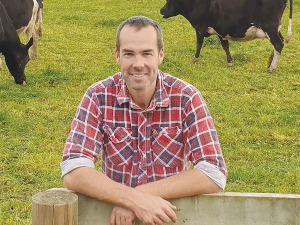
DairyNZ deputy chair Cameron Henderson has been re-appointed unopposed for another term.
OPINION: The stats speak for themselves.
Farms across the upper North Island are trialling different pasture mixes as part of a research programme that aims to build greater resilience into farming systems.
Election years are always a concerning time for farmers, according to DairyNZ chair Tracy Brown.
The Ballance Farm Environment Awards are coming to the West Coast of the South Island.