Taranaki and Whanganui farmers encouraged to use their technology to capitalise on a record autumn.
An unseasonal wet summer has set the Taranaki and Whanganui rural regions up for one of the best autumns on record. However, farmers are still feeling the pinch from rising inflation and on farm costs - an issue their on-farm technology could help tackle.
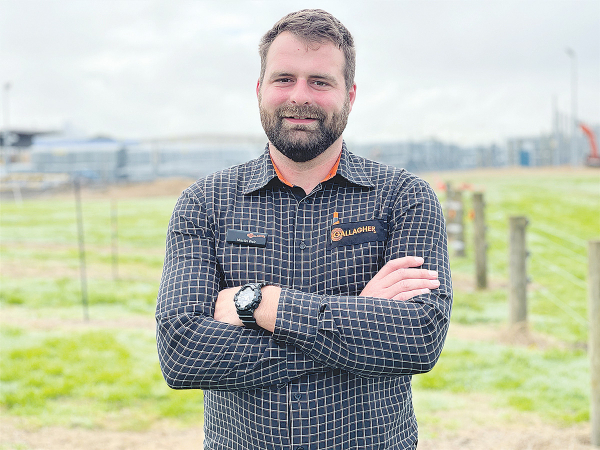
"While the temptation is to sit back and make the most of the flush feed situation, using the technology they have already invested in to drive efficiencies can help farmers make the most of the good autumn and keep costs down as much as possible," says Gallagher territory manager Martin Weir.
"Dairy farmers in Taranaki were still making silage in March and extending their milking season. Many are still milking twice a day when, at this time of year, they would usually be at once-a-day or once every 16 hours.
"We have also seen record growth rates for young stock. But while the wet wash out of summer has delivered unexpected benefits going into autumn, there are still challenges to navigate. Using technology to drive efficiency on farm has never been more important."
Weir joined the Gallagher Animal Management team covering Taranaki and Whanganui about six months ago after working for NZ Farm Source in the Taranaki region. Based on what he's seen on his travels, he estimates only around 20% of farmers in the region are using or getting the most out of their technology to both manage their stock and drive day-to-day efficiencies on farm.
"It's about identifying the areas where farmers can save time and use that time to be more productive in other areas of their business," says Weir.
"There are some valuable tools out there that can provide a better picture of how animals are tracking. This information can help guide farmers' decisions about the best time to get animals off farm, identify potential health issues, or find out how they're placed for seasonal transitions like breeding."
Technology has come a long way and farmers no longer waste precious time tripping back and forth to turn energisers on or off or spend hours trying to find where a fence is shorting out, he says.
"Energisers can now be controlled by an app on your phone that will tell you when amps drop below the acceptable level," says Weir. "You can even split your farm into zones that can be individually controlled. You can power on or off certain areas of the farm, depending on what you're working on, all with the touch of a button on your phone."
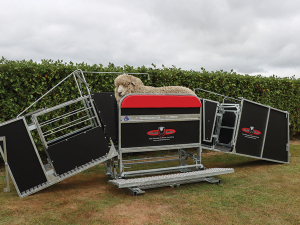
Weighing and EID technology now allows farmers to track each animal's performance across each weighing session, automatically loading weights, traits, health treatments or any other specific notes against the animal's ear tag.
"There are no more guesstimates or using figgly weigh tapes and unruly pieces of paper that get lost," he says.
"This technology means you get an accurate measure every time and it's recorded against the animal's ear tag. And it's all stored in a complete system that you can access either from your phone or download onto your PC after each session.
"This type of data tells you when your animal reach their target weights for processing so you can make the most of the payment schedules.
"They tell you how breeding stock are tracking going into breeding season and they give you a solid measure of how young stock are performing and if there are any potential health issues to address.
"This autumn farmers are set up well heading into winter," says Weir.
"But the challenge is to keep looking ahead to see how you can make the most of the opportunities presented."