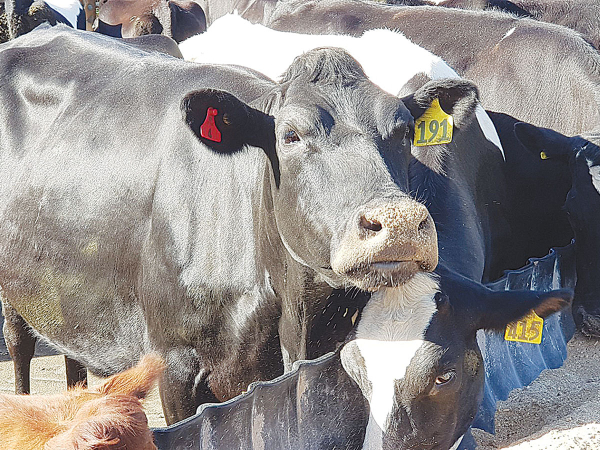
Milton dairy farmer Chris Wills says he began using probiotics in spring 2023 to address somatic cell count (SCC) grades when cows transitioned from their winter barn to lush spring pasture.
While the SCC issue was resolved, an unexpected benefit emerged - cows began cycling significantly faster.
In the second season on the program, Halter data showed cows were returning to heat just 24 days after calving—far below the national average of 42 days.
“The first season I used Rumicell just to the milking herd, cycling premating was phenomenal,” says Wills.
“There was no need for Metrichecking or CIDRs, and our 3-week submission rate rose to 93% - a 5% increase.”
Wills had tried various products to fix his SCC issues but switched to Probiotic Revolution’s Rumicell after reading about another farmer, John McCarty, who went antibiotic-free using probiotics. Rumicell combines live yeast with carefully selected bacterial strains to support digestion and immunity.
He began with autumn calvers and carryovers in May 2023. With 480 cows, most calving in spring, the cost of switching from a live yeast product was negligible, and the usual spring SCC spike was greatly reduced, avoiding any grades.
Read More:
Probiotic Revolution’s Chris Collier points to research showing that feeding cows three strains of probiotics 21 days pre calving as well as post-calving helped improved production as well reducing sub-clinical ketosis, which is strongly linked to several early lactation issues such as mastitis, calving difficulties, milk fever and post calving cycling.
Consequently in 2024, when Wills added Super- Start Lead Feed to his springer mob, his cows were cycling on average just 24 days post-calving, compared to 40 days for other farms in the district.
Collier emphasises that rapid post-calving cycling depends on cows avoiding metabolic issues.
“We’re using nine targeted probiotic strains in SuperStart Lead Feed. If cows have ketosis, milk fever, or retained membranes, cycling gets delayed but with these probiotics we must be firing up cows’ production and intake to get them cycling so quickly.”
He shared cases where farmers under work pressure stopped feeding SuperStart to late-calving cows.
While early calvers cycled in under 30 days, the late ones blew out past 30 days and bore the brunt of calving and mastitis problems.
“It’s easy to use in transition diets or water troughs, giving nearly every farmer the chance to improve mating outcomes.”