Tatua Final Milk Price $12.42/kgMS, Outlook Positive
After delivering another record farmgate milk price to 100 supplying farms, independent milk processor Tatua is entering thee new financial year with a positive outlook.
 increase font size
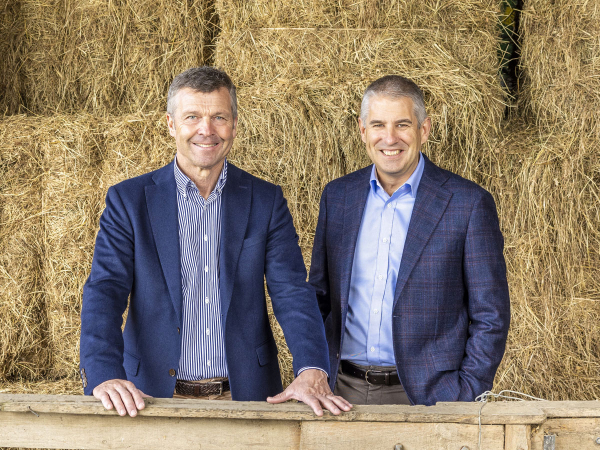 Tatua chairman Stephen Allen (left) and Tatua chief executive Brendhan Greaney.
Independent milk processor Tatua has again shown Fonterra and other milk processors a clean pair of heels in the milk payout race.
The small Morrinsville processor has paid its farmer suppliers a record $12.30/kgMS for milk supplied last season. The previous season, it paid farmers $11.30/kgMS.
Tatua retained $2.90/kgMS for reinvestment last season compared to $1.35/kgMS the previous one.
Fonterra and Synlait have paid their suppliers a milk price of $8.22/kgMS. Fonterra also paid a dividend of 50c/share and recently returned another 50c/share to shareholders and unitholders, taking its total payout to $9.22/share-backed kgMS. Synlait also paid on average of $0.27/kgMS for incentives, taking its total average milk payment to $8.49/kgMS.
In a joint statement, Tatua chairman Stephen Allen and chief executive Brendhan Greaney say they are pleased to report that the business has had another good year.
“In deciding our payout, we have sought to balance the needs of our shareholders farming businesses, in an environment where costs have increased well beyond mainstream inflation, and our need to continue to invest in the business while also maintaining balance sheet strength.”
After delivering another record farmgate milk price to 100 supplying farms, independent milk processor Tatua is entering thee new financial year with a positive outlook.
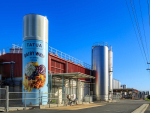
Waikato milk processor Tatua has again declared a record milk payout to farmer shareholders, leaving other processors in the dust.
Tatua chair Stephen Allen says he leaves the co-op with a deep sense of gratitude for the people who have contributed to its success.
Tatua Co-operative Dairy Company has confirmed that chair and director Stephen Allen will retire at the co-operative's annual general meeting (AGM) on 3 December 2026, ending 30 years of service, including more than 20 years as Chair.
Independent Waikato milk processor Tatua has set another new record for conventional farmgate milk price paid to New Zealand farmers.


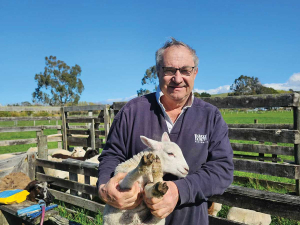
Decades piloting planes has ensured vet and farmer David Hayes is focused on safety. So, after a serious accident while welding on farm, he is sharing his experience so others can learn from it.

Canterbury milk processor, Synlait Milk has confirmed Leon Fung as its chief executive officer.
OPINION: Making it easier to collect rainwater and use it to grow crops and livestock is a no brainer.
As part of its Election 2026 coverage, Rural News asked political parties how they would help pull the arable sector out of the doldrums. Here's what they said:
Farmers are being encouraged to rethink how they manage waste on farm with the launch of ruralwastesorted.co.nz, a new website bringing together practical tips, real farmer experiences and resources.
New Zealand Winegrowers (NZW) is celebrating the India-New Zealand Free Trade Agreement (FTA) coming into force today, bringing New Zealand wine improved access to one of the world’s fastest-growing economies.