
PGG Wrightson Revenue Tops $1.1b as Profit Jumps 46%
After delivering a strong financial year, rural trader PGG Wrightson says the coming months will depend on customer confidence and weather.
 increase font size
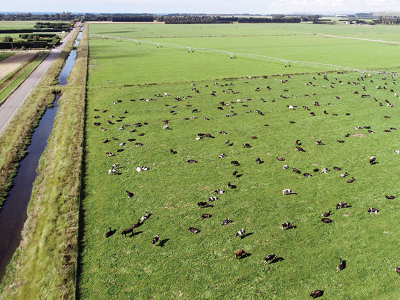 Hilderthorpe dairy farm which recently sold for $8.35 million.
PGG Wrightson says the recent sale of a Lower Waitaki dairy farm for $8.35 million could “re-ignite” the market for dairy property.
Dave Heffernan of PGG Wrightson Real Estate, Oamaru, who marketed the 178ha farm at Hilderthorpe, south of the Waitaki River, said few dairy farms have sold in recent months.
“Although recent transactions have been rare, the sale value of about $47,000 per hectare is close to what this farm would have made two years ago.”
While many vendors seek $50,000 a hectare, few are selling at that price, Heffernan said.
The farm was listed in January and sold in June to a local buyer.
“We also received interest from several other parties, indicating that farms with low cost reliable water, good soils and proven production should achieve values that satisfy realistic vendors,” he said.
The farm produced 250,000kgMS from 580 cows in the 2019-20 season.
The sale did not include plant and equipment but the buyer has bought the herd (in a separate transaction) and a contract to supply Oceania.
Heffernan said because would-be Oceania suppliers do not need to buy shares or join a supply waiting list, the supply contract was a big incentive for the sale.
Oceania has been owned since 2013 by the Chinese dairy giant Yili, currently awaiting regulatory approval for its proposed purchase of Westland Milk Products.
Yili says it has invested $650m in setting up milk powder, infant formula and UHT production lines at the Oceania plant just north of the Waitaki River, and that it is paying suppliers above the industry average.
PGG Wrightson Real Estate North Otago branch manager John Sinnamon said the Hilderthorpe sale was a positive signal to a stalled market.
“Several factors, including Mycoplasma bovis and banks adhering to tighter lending criteria, have increased recent levels of buyer caution. However, this sale shows them more attuned to current market expectations, while vendors are willing to take innovative steps to achieve the best outcome.
“In the current market you have to be more innovative to achieve a sale. For example, vendors might opt to retain a proportion of equity in a farm for a limited term.
“This sale proves that realistic vendors can reach agreement with motivated purchasers, which is necessary for the rural property market to remain active. It also shows purchasers remain interested.”
After delivering a strong financial year, rural trader PGG Wrightson says the coming months will depend on customer confidence and weather.
Strong competition and tightening supply have seen wool reach its highest prices paid at auction since 2011.
The latest data from the Real Estate Institute of New Zealand (REINZ) reveals a mixed rural property market due to consistent inflation concerns.
A firm belief in the agricultural sector has kept the PGG Wrightson business going for 175 years, says chief executive Stephen Guerin.
The Real Estate Institute of New Zealand (REINZ) has released its latest rural property report, providing a detailed view of New Zealand’s rural real estate market for the 12 months ending December 2025.



National’s pledge to introduce 19 new national standards shows the party is serious about getting Wellington out of farming, Federated Farmers says.
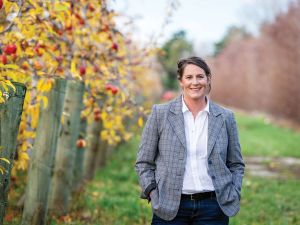
The National Party’s policies to make it easier to grow fresh vegetables, secure reliable water and energy and simplify farm planning are practical changes that will give growers the confidence to invest, according to Horticulture New Zealand (HortNZ).
Fonterra Co-operative Group chief financial officer Andrew Murray has resigned to take up a role outside the dairy giant.
A major move is about to get underway to improve the quality and viability of dairy beef and cattle in NZ.
Veterinarians say changes to the code of welfare for dairy cattle provides a positive foundation for improved cattle welfare across the country.
Today, 15 October, is the International Day of Rural Women, which recognises rural women’s contribution to farming, communities and the environment.