BCS Targets: Why Body Condition Score Matters at Calving
Body Condition Score (BCS) is a critical element in managing the health and reproduction of the dairy herd.
 increase font size
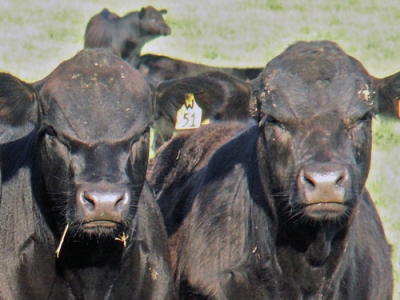
Dairy farmers are being urged to look at breeding the balance of dairy herds (after replacements) to proven beef genetics.
This has the potential to treble calving income for dairy farmers and comes with the reassurances farmers need for animal health and production, says general manager of Angus NZ, Alan Cook.
He was responding to the Beef+Lamb Dairy Beef Integration Programme raising the potential for dairy farmers to significantly increase their income from calves by mating the balance of the herd to proven beef genetics.
Cook says dairy farmers traditionally breed early calving cows to high genetic dairy AI bulls as herd replacements, with the balance of herd often mated to 'run' bulls – either dairy or beef - with unknown genetics.
"Registered beef sires have Estimated Breeding Values (EBVs) which reassure farmers on five critical aspects – short gestation, calving ease, birth weight, temperament and bull fertility.
"Any one of these factors has a material impact on the productivity and profitability of the dairy farm and getting it right – on all counts – is more important this year than before. It's crucial for dairy farmers to only select bulls that have been bred for low birthweight and calving ease"
Cook says farmers have a wide choice of proven beef genetics in New Zealand and says the Angus breed is particularly well suited to the New Zealand dairy beef industry.
"Angus are naturally polled so farmers have a 'marker' which identifies them from dairy calves. "
He says there is demand for more Angus beef.
"The world is demanding more Angus beef and there is a very strong consumer preference in Asia for Angus. Using registered Angus bulls in dairy herds allows NZ to produce the grass fed Angus beef that consumers worldwide want."
Body Condition Score (BCS) is a critical element in managing the health and reproduction of the dairy herd.

For Taupiri dairy farmers Logan and Sian Dawson, their involvement in the NZ Dairy Industry Awards has been a key catalyst in the growth of their business - the experience helping shape how they approach the farm ownership pathway they are pursuing today.
An LIC bull, Tronnoco AR Sadio-ET S3F, bred by Tony and Keri O'Connor of Tronnoco Farming Co Ltd near Timaru, has won the 2026 Mahoe Trophy.
I've written a series of articles for Rural News, starting with 'The Basics of Grazing', then 'Stock Handling', followed up by 'Evaluating Stock Condition'.
Giving calves the best possible start to life has been shown to boost growth and resilience.



Fonterra chief executive, Richard Allen says being resilient has helped the dairy industry overcome extreme volatility in recent years.
The head of the Ministry for Primary Industries (MPI) trade and international relations group says New Zealand is well-positioned to secure trade access and compete internationally as the world becomes more complicated, demanding and uncertain.
Northland farmer Greg Collins has taken over as chair of the Fonterra Co-operative Council.
The head of global dairy organisation, International Dairy Federation (IDF) is calling for accurate use of ‘dairy' term.
Be alert but not alarmed about El Niño. That’s the message from Professor Danny Donaghy, deputy head of the Massey University’s school of agriculture and the environment.
Farmers opposing rural trader Farmlands’ investment in AgriZeroNZ are warning the co-operative board not to brush away their concerns.