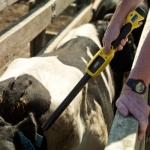
Conviction for illegal tagging
The conviction of a senior livestock agent in Blenheim serves as a warning that the illegal tagging of cattle will not be tolerated, says the Animal Health Board (AHB).
 increase font size

FARMERS WILL no longer be required to place Animal Health Board (AHB) approved secondary ear tags on cattle and deer once the NAIT scheme comes into effect. The change to ear tagging requirements will take effect from July 1 for cattle and March 1 2013 for deer.
NAIT scheme radio frequency identification tags will then become the only compulsory tags for livestock. However, any existing official ear tags should not be removed from older stock.
Farmers may still wish to use other tags for management reasons, but that will be their choice. Those who use industry tracing systems, such as LIC MINDA or CRV Ambreed, should seek advice from their usual sources to find out how the change affects them.
The AHB says it will work closely with NAIT to make sure the ability to trace and identify suspected or confirmed bovine tuberculosis (TB) infected cattle and deer is maintained.
"This change in tagging requirements will reduce animal identification costs and bring the AHB system in line with the NAIT scheme," says AHB operational policy manager Nick Hancox.
"However, we cannot afford to jeopardise the gains made in managing TB, especially when the NAIT scheme first starts. For that reason, farmers need to be compliant as early as possible," says Hancox.
From July 1, farmers will still have the option of purchasing linked ear tag sets, comprising an electronic NAIT tag and a matching secondary tag. This will allow them to identify animals by sight rather than using an electronic tag reader.
"NAIT is committed to working with the AHB to streamline systems and minimise hassle for farmers. We are pleased with the AHB's decision as it gives choice to farmers and lowers the mandatory costs they face once NAIT comes into effect," said NAIT Ltd chief executive Russell Burnard.
"What's important now is for farmers to make sure they understand their NAIT obligations and what they need to do to be ready ahead of time."
The conviction of a senior livestock agent in Blenheim serves as a warning that the illegal tagging of cattle will not be tolerated, says the Animal Health Board (AHB).

William McCook has been appointed chief executive of the organisation soon to be formed from the merger of the Animal Health Board and NAIT (National Animal Identification and Tracing scheme).
Bulls over 12 months entering the dairy industry can be tested for free for bovine tuberculosis (TB), says the Animal Health Board (AHB).
The directors of the organisation to be formed from the forthcoming merger of the Animal Health Board (AHB) and NAIT Limited have been confirmed.
Parts of coastal Rangitikei are reaping the rewards of the Animal Health Board's (AHB) moves to eradicate bovine tuberculosis (TB) from New Zealand.


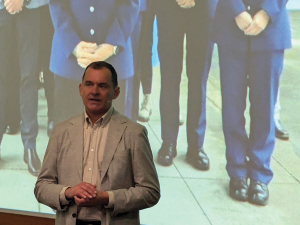
New Zealand farmers have been told they all have amazing people on their farms and have been urged to be “that one person” that can make a huge difference to those going through tough times.
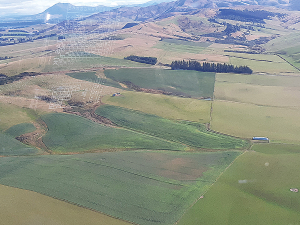
OPINION: For thousands of Southland farmers, this week would have tipped them into the non-compliant category when it comes to following regional freshwater plan rules. But the Government has stepped in to give them the clarity they deserve.
The stark realities of the world trade that New Zealand is having to face have been revealed by Trade Minister Todd McClay.
New Zealand and the European Union are closer than ever.
The latest data from the Real Estate Institute of New Zealand (REINZ) reveals a mixed rural property market due to consistent inflation concerns.
Animal welfare improvements as well as reduced costs for dairy farmers are at the heart of a new move which could help cut back on the waste of unused vet drugs.