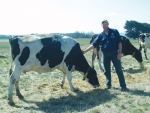
Tag keeps better track of cows
Australian farmer Mark Billing does not consider himself a technology nerd, but is certainly an early adopter of techniques and equipment to improve his herd management.




 increase font size

The conviction of a senior livestock agent in Blenheim serves as a warning that the illegal tagging of cattle will not be tolerated, says the Animal Health Board (AHB).
Richard John May, 66, and from Seddon, admitted two breaches of the Biosecurity Act after he "helped out a mate" by attaching three tags to a friend's animals at the Blenheim public saleyard. The tags he used belonged to other farmers.
However, following a report from the on-site movement control and identification officer, the AHB's own investigation led to May being prosecuted for the incident which took place in October last year.
May was convicted on two charges and fined $750 in recognition of an early guilty plea. He could have faced a fine of up to $50,000 and/or 12 months in jail.
AHB technical and farm services manager, Stu Hutchings, said May's actions were unlawful and had the potential to create unnecessary risks for farmers and the TB control programme.
"This prosecution sends a clear message to people not to try and take shortcuts. We will continue to be vigilant and will not hesitate to take action against those who fail to follow proper procedures which are designed to protect others," said Dr Hutchings.
"Fortunately, the majority of farmers in New Zealand realise the importance of complying with identification requirements to ensure disease management is effective in protecting their livelihoods and our reputation overseas.
"The incorrect identification of cattle or deer can lead to a significant waste of resources if animals in a herd cannot be identified quickly and accurately."
Dr Hutchings stressed that the incorrect use of RFID ear tags remains a breach of the Biosecurity Act. Offenders may also be considered to have breached the NAIT Act.
Australian farmer Mark Billing does not consider himself a technology nerd, but is certainly an early adopter of techniques and equipment to improve his herd management.
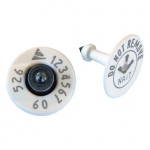
Farm to farm movements are being monitored and if you’re not recording them on NAIT expect a call, says Stu Hutchings of NAIT parent body Ospri.
FARMERS WILL need to use different NAIT tags from the middle of next year, says NAIT.
A MARLBOROUGH man has been fined $15,000 for not wearing a helmet while riding a quad bike at work – and for carrying a helmetless child as a passenger.
An Ashburton dairy herd manager has been convicted in the Ashburton District Court on serious animal welfare offences after the Ministry for Primary Industries (MPI) brought charges against him under the Animal Welfare Act 1999.



Leading John Deere technicians and apprentices from New Zealand and Australians were recognised at the recent sixth annual JD Technician of the Year Awards, held in Brisbane.

In Dacre, near Invercargill in New Zealand’s South Island, Bruce Dinnington is running a dairy operation unlike any other.
A free online platform aggregating governance vacancies across rural and regional New Zealand has been launched.
Environment Minister Nicola Grigg has announced details of a new rural plastics recycling scheme.
Agricultural drone operators say that a government decision to allow lower-risk drone work without certification won’t lower standards but drive innovation and efficiency.
OPINION: Warning bells are ringing in the arable sector.





OPINION: The same mainstream media muppets that brought you Jacindamania in 2017 have been flat out pimping for the Opportunities…
OPINION: Your old mate reckons the atrocious way farmers in the UK are treated by their lords and masters in…




