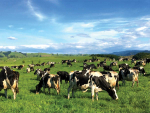
Lanaco and Blueair Launch World-First NZ Wool Air Filter
New Zealand wool is reaching new heights as air filtration companies move away from synthetic products to biodegradable alternatives.
 increase font size
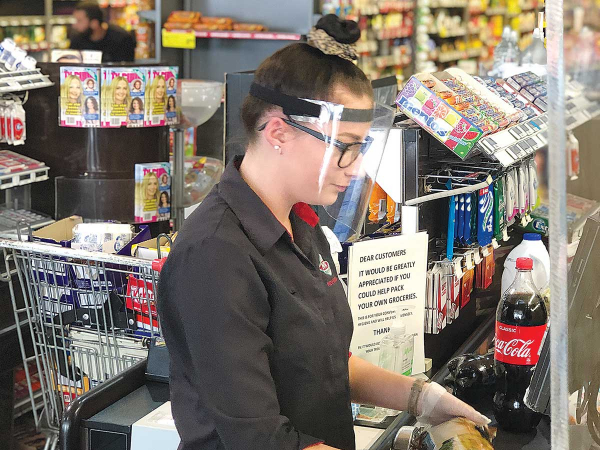 A supermarket worker wearing a face shield by Metalform.
The saying goes ‘when things get tough, the tough get going’ and this is happening here in New Zealand and further afield.
In Dannevirke, manufacturer Metalform, probably best known for products such as its Tow and Fert system, has stood down much of its workforce, but retained 30 employees to make face shields.
Aimed to protect frontline staff in hospitals, emergency services, pharmacies and supermarkets in the fight against COVID-19, the company is currently manufacturing around 7,000 face shields each day.
Metalform sales and marketing manager Tim Henman says it already had a small division within the factory making Class 2 medical devices like oxygen bottle holders for hospitals and emergency centres.
“It made sense to us to use our in-house skills to produce the face shields and remove some of the reliance on imported products,” he told Dairy News.
“We presented the product to the Government’s procurement arm last month, but have not received a reply. In the meanwhile, we are making the units available to anyone with a need.”
The face shields, made from 0.25mm thick PET plastic, are mounted with an adjustable strap and foam band against the forehead in a one-size format, protecting the eyes against droplets.
Manufactured to meet multiple standards including Reach, USFDA and ISO, the units also meet WHO standards for PPE used in infection and prevention control. Designed for multiple uses, the face shields can be easily cleaned with an antibacterial solution.
Further afield in the UK, JCB – best known for its bright yellow tractors, excavators and telehandlers – has ceased general production, but turned over part of its facilities to help with the urgent need for ventilators.
Responding to a direct appeal from UK Prime Minister, Boris Johnson, to help plug the national ventilator shortage, JCB will produce steel housings for a new ventilator design from tech company Dyson.
A minimum of 10,000 items will be manufactured at the company’s cab factory in Uttoxeter, bringing 50 workers back to work following the recent shutdown. Commenting on the initiative, chairman Lord Bamford said, “we have driven the project from design to production in just a matter of days and recognising this is a global crisis, will produce more housings to meet the needs of other countries if required.”
New Zealand wool is reaching new heights as air filtration companies move away from synthetic products to biodegradable alternatives.

Generative AI in the workplace, trials in the field, and industry-relevant research took centre stage at this year’s Grape Days events in Central Otago, Hawke’s Bay and Marlborough.
OPINION: The previous government spent too much during the Covid-19 pandemic, despite warnings from officials, according to a briefing released by the Treasury.
OPINION: Labour leader Chris 'Chippy' Hipkins is carrying on the world-class gaslighting of the nation that he and his cohorts started after their disastrous Covid response; now trying to undermine the Covid inquiry to protect his own backside.
Virtual fencing company Halter is going global but for founder Craig Piggott, New Zealand farmers will always remain their main partners.


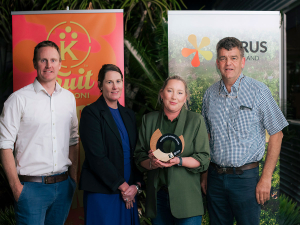
New Zealand's citrus growers were challenged to build their future on the value embedded in their fruit rather than the volume they produce, at Citrus New Zealand's annual gathering in Gisborne on 17 September.

Leading John Deere technicians and apprentices from New Zealand and Australians were recognised at the recent sixth annual JD Technician of the Year Awards, held in Brisbane.
In Dacre, near Invercargill in New Zealand’s South Island, Bruce Dinnington is running a dairy operation unlike any other.
A free online platform aggregating governance vacancies across rural and regional New Zealand has been launched.
Environment Minister Nicola Grigg has announced details of a new rural plastics recycling scheme.
Agricultural drone operators say that a government decision to allow lower-risk drone work without certification won’t lower standards but drive innovation and efficiency.