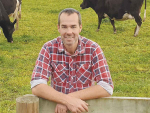
Cameron Henderson Reappointed Unopposed as DairyNZ Deputy Chair
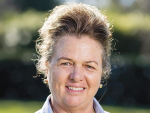
DairyNZ deputy chair Cameron Henderson has been re-appointed unopposed for another term.
 increase font size
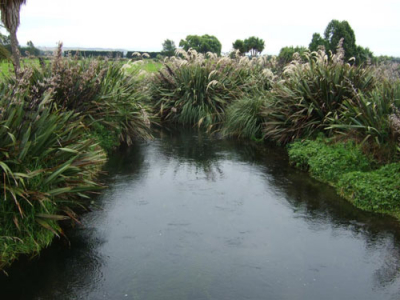 LAWA results show improved water quality across the country.
Dairy farmers are pleased that Land, Air, Water Aotearoa (LAWA) results show improved water quality across the country.
DairyNZ says the report shows more monitored sites are showing signs of improving trends than degrading over the past 10 years.
“This is great news for New Zealanders. It is also great news for all the people who are contributing to improving water quality by changing the way they interact with the land and waterways,” DairyNZ strategy and investment leader – responsible dairy Dr David Burger says.
LAWA is reporting more sites with improving trends for eight of the nine indicators measured across many stations in the national monitoring network. This confirms that all the hard work underway to improve water quality is on the right trajectory.
There are still degrading sites for all indicators, showing that more work is needed to continue to improve freshwater outcomes. In particular the analysis shows that river macroinvertebrate scores, a measure included in the report for the first time, are under pressure. “Our Vision is Clear - waterways need to improve and we will play our part to help make this happen,” Burger says.
“The sector has already undertaken a huge amount of work over the past 10 years to improve dairy’s environmental footprint – including fencing cows out of waterways through the Sustainable Dairying Water Accord (97% of all dairy accord waterways are now fenced off), and thousands of farmers are carrying out extensive planting alongside waterways to filter runoff from land,” Dr Burger says.
“Much more work is underway, including science into better ways to mitigate contaminant runoff from the land before it leaves the farm gate, and whole of catchment projects to adopt improved farming practices at scale, and demonstrate those outcomes through monitoring and modelling.”
It is important to acknowledge that a range of sectors have an impact on water quality – the wider primary sector, towns and cities, recreational users, industry, croplands and forestry. “We all have a role to play in protecting and enhancing our waterways,” Burger says.
DairyNZ welcomes LAWA’s decision to add 10-year trends for macroinvertebrates for the first time to its regular reports on water quality trends. The health of bugs in stream is an important ecological indicator and all New Zealanders including the dairy sector want to see enhanced biodiversity.
DairyNZ deputy chair Cameron Henderson has been re-appointed unopposed for another term.
Farms across the upper North Island are trialling different pasture mixes as part of a research programme that aims to build greater resilience into farming systems.
Election years are always a concerning time for farmers, according to DairyNZ chair Tracy Brown.
Most dairy regions around the country have had a pretty good season so far says Tracy Brown.


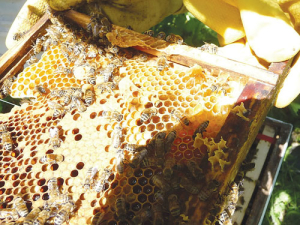
New Plymouth-based Manuka honey exporter Egmont Honey has completed its acquisition of Taihape beekeeping business Tweeddale's Honey, with settlement finalised on Friday, 18 September.
Westpac NZ is calling on farmers and growers to start preparing now for the possibility of a dry summer, as likely El Niño conditions raise the risk of drought across parts of the country.
Fonterra Co-operative Group has confirmed the independently assessed candidates standing for election to its board in 2026.
Fonterra has revised its Farmgate Milk Price forecast for the 2026/27 season, lifting the midpoint and narrowing the range on the back of improving global dairy commodity prices.
New Zealand's citrus growers were challenged to build their future on the value embedded in their fruit rather than the volume they produce, at Citrus New Zealand's annual gathering in Gisborne on 17 September.
Leading John Deere technicians and apprentices from New Zealand and Australians were recognised at the recent sixth annual JD Technician of the Year Awards, held in Brisbane.