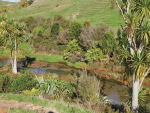
New Research Shows Good Farming Practices Reducing Nutrient Losses on Dairy Farms
Analysis of decades of research has revealed the good farming pracrtice plays a critical role in reducing nutrient losses to improve freshwater outcomes.
 increase font size

Industry body DairyNZ has come out in support of Ravensdown and Ballance Agri-Nutrients' voluntary suspension of sales and use of Dicyandiamide (DCD) treatment on farm land until further notice.
However, DairyNZ chief executive Tim Mackle is urging the two companies, government authorities and dairy companies to work on pragmatic solutions that would enable the product to be back on the market and able to be used by farmers.
"We support this proactive approach to managing the trade risk, but this is a very useful tool for farmers in terms of managing their nutrient loss on farms, so we'd like to see solutions worked on as a priority," he says.
Dr Mackle says there is a suite of tools farmers can use instead of DCD to manage nitrogen loss and its effect on water quality, so farmers will be actively focussed on those in the meantime.
"We're doing a lot of research on other measures to manage nutrient loss so there are other options. But DCD is a particularly effective one so we hope that a solution can be worked on to enable it to be used."
Analysis of decades of research has revealed the good farming pracrtice plays a critical role in reducing nutrient losses to improve freshwater outcomes.
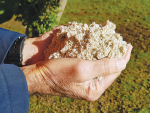
Nutrient loss from agricultural systems can reduce waterway quality through eutrophication.
Emotions and values now come first in water quality assessment and science comes second, says a water quality specialist with DairyNZ, Tom Stephens.
Trucking firm are coming under particular scrutiny about transporting cows that aren’t fit to travel, says Chris Leach, DairyNZ senior developer - animal husbandry and welfare.
The Waikato Regional Council plans to hold another farm planning and environmental sustainability field day after the success of their last event at the Kaniwhaniwha Stream.


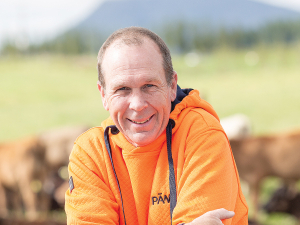
Pāmu has released its FY26 Integrated Annual Report, reporting a Net Operating Profit of $113 million, more than double the $49 million recorded in FY25.

Meat Industry Association data, released alongside the Red Meat Sector conference in Wellington, shows export value climbing across the US, China, UK and Canada.
Applications are set to open for the 2027 Zanda McDonald Award, a trans-Tasman award recognised for identifying and fast-tracking talented young leaders in agriculture and agribusiness.
The Royal New Zealand College of General Practitioners (the College) and Hauora Taiwhenua Rural Health Network are calling for investment in a proposed new training pathway for rural GPs, warning that many rural practices are struggling to recruit while a large share of the existing workforce nears retirement.
Federated Farmers has called on Central Otago District Council (CODC) to drop or vote down a plan to truck sludge from Alexandra and Cromwell to farmland near Lauder, warning it would compound an "outrageous" situation created by a separate council's decision weeks earlier.
Synlait has swung to second-half profit as operations stabilise, but the dairy processor still posted a $75.4m annual loss.