AgFirst Warns Dairy Farmers Not to Expect Repeat Season
A warning to dairy farmers not to expect the same good conditions that they experienced last season, has been issued by a leading farm consultant.
 increase font size
Soils are drying out fast around the country, but above the ground it is a different story, with grass and feed supplies looking good in many parts of the country, says industry body DairyNZ.
With a dry summer coming on top of a low seasonal milk price, general manager of extension, Craig McBeth, says DairyNZ is closely monitoring the soil moisture and feed levels in all regions in case it needs to quickly ramp up support for struggling farmers.
"It is already severely dry in parts of Canterbury and North Otago and farmers there are facing serious measures with some irrigation restrictions now in place. The south of the Wairarapa is also very dry. The soil moisture data is also showing us that the rest of the country is on the brink of heading into dryer than average soil moisture conditions. We need to see some rain soon to reduce the risk of a normal dry summer turning into something more serious," he says.
"While we know it could get very dry, very fast, it's a positive story in terms of feed supply. It's pretty green out there on many farms because we had great grass growth in November and December and into January in some parts. Recently, it's also been great growing conditions for maize.
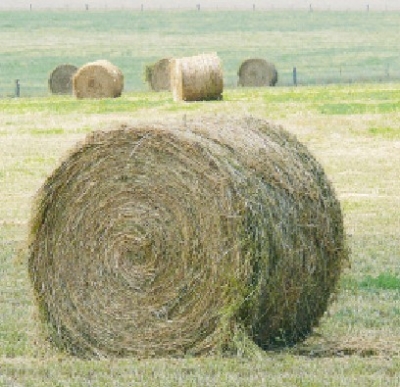
McBeth says that in most regions farmers have already made and stored a lot of supplementary feed like hay, grass silage and baleage, with some areas like Taranaki potentially holding a surplus of feed. On the other hand, Southland farmers have struggled to grow and harvest surplus feed due to an extended period of very wet conditions through late winter and spring.
"The good news is there will be plenty of feed to get farmers through dry conditions if we don't get rain. However, the issue may be a lack of cash around to pay for it if farmers have to buy it in or cover the cost of transporting the feed to where it is most needed," he says.
"The low forecast milk price is already putting pressure on farmers' budgets for this season."
McBeth says farmers have learnt a lot through past droughts and have plenty of techniques for managing the supply of feed to their cows to keep up with the demands of keeping them in good condition.
He says DairyNZ is using its regional staff to monitor farming conditions, provide support and advice, and ensure experienced farmers can pass on advice and tips to others who may be new to farming or to a region.
Farm system specialists are also monitoring conditions closely to help inform farmers.
"There is plenty of industry and farmer support out there to help everyone. Its important farmers know that – and where to go for advice."
DairyNZ advice and guidance on summer management is available on www.dairynz.co.nz including a dry summer management guide that can be downloaded.
A warning to dairy farmers not to expect the same good conditions that they experienced last season, has been issued by a leading farm consultant.
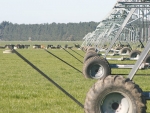
While drought conditions persist in many parts of the country, some irrigating farmers are coping well, says IrrigationNZ.
Economic benefits worth up to $340m in GDP could accrue from a science-based and internationally peer-reviewed calf nutrition programme if adopted by 10% of the national herd, new research shows.
Every time the milksolids payout drops, the industry starts talking about reducing production costs.
Emotions and values now come first in water quality assessment and science comes second, says a water quality specialist with DairyNZ, Tom Stephens.
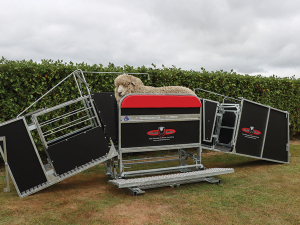
Oamaru-based livestock handling specialist Te Pari has bought Combi Clamp, the New Zealand manufacturer of Combi Clamp manual sheep handlers.
Agriculture Minister Todd McClay has admitted that a scheme bringing workers from Pacific nations to work on orchards has become too hard to navigate but says changes are coming.
A new app designed in New Zealand aims to help sheep, beef and deer farmers capture, analyse and use body condition score data more effectively.
Canterbury farmer Andy Macfarlane has been appointed to the board of AgriZeroNZ, the public-private partnership designed to accelerate the development and deployment of emissions reduction tools for New Zealand farmers.
For over 50 years Mel Ewers has been supporting the apple sector navigate through compliance and quality assurance issues.
The apple sector is enjoying a bumper harvest season.