Fonterra CFO Andrew Murray Resigns
Fonterra Co-operative Group chief financial officer Andrew Murray has resigned to take up a role outside the dairy giant.
 increase font size
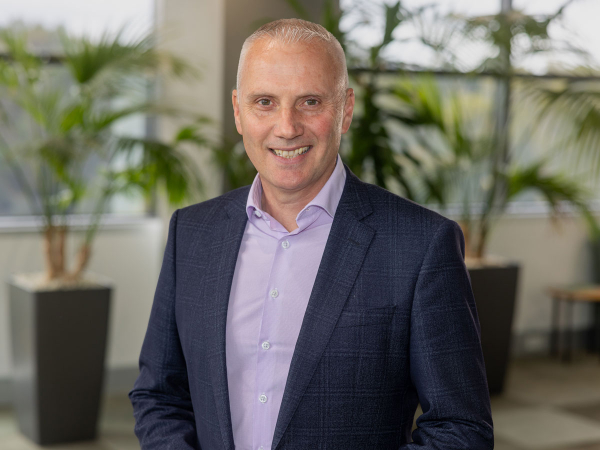 René Dedoncker has been named CEO-elect for the Mainland corporate brand.
Fonterra has updated its plan to divest its global consumer business and integrated businesses, Fonterra Oceania and Fonterra Sri Lanka.
The co-op is looking at both a sale and an Initial Public Offering (IPO). A new corporate brand has also been announced as part of the process.
Miles Hurrell, chief executive of Fonterra, says the co-operative’s decision to pursue a divestment is grounded in an understanding of where it creates the most value for farmers and where there is further room to grow.
He says the co-operative is clear on its strategy and has a pathway to grow further value for both farmer shareholders and the New Zealand economy through its foodservice and ingredients businesses.
“At the same time, we recognise the responsibility we have to find the right steward for iconic brands such as Anchor, Mainland, and Western Star and an ownership structure that allows these businesses to continue to grow,” Hurrell says.
In November 2024, Fonterra announced that it would pursue both a trade sale and an Initial Public Offering (IPO) as potential methods for divestment.
“Our intention is to thoroughly test the terms and value of both a trade sale and IPO before selecting an option to put to farmer shareholders for a vote,” Hurrell says. “Ahead of that, we are today indicating the next steps that are required in both processes.”
As part of the trade sale process, Fonterra will be engaging with potential buyers of the consumer and associated businesses in the coming weeks.
At the same time, as part of the preparation for a potential IPO, Fonterra has named key management team members and chosen a corporate brand for the entity if it is to be publicly listed.
Hurrell says Mainland Group as the corporate brand for the group if it continues with the IPO.
“The Mainland brand has strong New Zealand dairy heritage and is also well known by consumers in New Zealand, Australia and across many of our global markets,” he says.
René Dedoncker has been named CEO-elect for the brand.
“René is currently Fonterra’s managing director global markets consumer and foodservice, leading the businesses in scope for divestment,” Hurrell says.
“He joined Fonterra in 2005 and has held several global leadership positions during that time. He has led our Australian business since 2017, including through its recent merger with Fonterra Brands New Zealand to form Fonterra Oceania,” he adds.
Paul Victor will serve as CFO-elect for Mainland Group.
“Paul has joined Fonterra from ASX-listed Incitec Pivot Limited, where he was Chief Financial Officer. Paul brings more than 30 years of experience, working across functions including finance, treasury, tax, financial planning and analysis, control, M&A, investor relations and IT,” Hurrell says.
“René and Paul are very capable leaders with the experience to take these businesses forward into their next phase. Both will lead roadshow meetings with potential investor groups, commencing in March.”
Fonterra Co-operative Group chief financial officer Andrew Murray has resigned to take up a role outside the dairy giant.

Four candidates have been confirmed for two director positions on Fonterra’s board.
A record farmgate milk price and strong global demand is laying the foundation for continued growth of organic dairy farming in New Zealand.
Waikato milk processor Tatua has again declared a record milk payout to farmer shareholders, leaving other processors in the dust.
Fonterra has unveiled its annual results for the 2026 financial year, posting $27 billion in revenue and close to $20 billion returned to New Zealand farmer owners and unit holders.


National’s pledge to introduce 19 new national standards shows the party is serious about getting Wellington out of farming, Federated Farmers says.
The National Party’s policies to make it easier to grow fresh vegetables, secure reliable water and energy and simplify farm planning are practical changes that will give growers the confidence to invest, according to Horticulture New Zealand (HortNZ).
Fonterra Co-operative Group chief financial officer Andrew Murray has resigned to take up a role outside the dairy giant.
A major move is about to get underway to improve the quality and viability of dairy beef and cattle in NZ.
Veterinarians say changes to the code of welfare for dairy cattle provides a positive foundation for improved cattle welfare across the country.
Today, 15 October, is the International Day of Rural Women, which recognises rural women’s contribution to farming, communities and the environment.