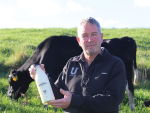
Moxham Family's Organic Milk Now Comes as Gelato
Horowhenua organic dairy farmers Ange and Wayne Moxham have taken their business to a new level.
 increase font size
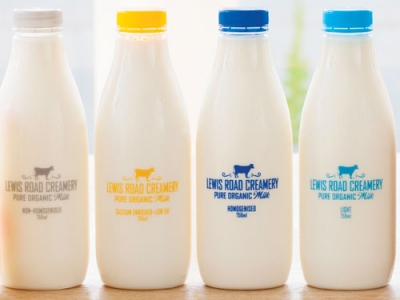 Organic Dairy Hub’s milk has ended up in the domestic liquid market.
Fonterra this month announced a market-based payout for organic milk of $9.20/kgMS for the new season, up from the $5.65/kgMS it currently pays for organic milk.
The co-op says the new price "reflects consistently high prices for organic milk products in its global markets".
And Bill Quinn, Organic Dairy Hub, says its presence in the sector is raising awareness and the validity of organic milk.
He points out that in March last year, Fonterra's organic milk suppliers were paid the farmgate milk price plus $1.05 premium for every kgMS; the premium was later raised to $1.50, then $1.75.
In February this year, Fonterra announced it was going to a market-based payout.
"The question is, would that have happened if the hub was not there. I put it down to competition; it is healthy for the industry."
Quinn says Fonterra is playing catch-up to the Hub.
ODH pays its suppliers 90% of the milk price within one month and the remaining 10% within three months; all payments are finalised by June 20 of each year. All its trade is done in New Zealand and in NZ dollars.
He says the Hub is getting enquiries from Fonterra organic suppliers and other farmers.
"We are inundated with farmers willing to supply, from North Island and South Island. As a serious option corporate farms and iwi group farms are now looking at it, so we are talking big farms."
Organic farm numbers have declined from 127 five years ago to 70. However, for the first time in five years, applications for organic certification have grown.
Quinn says says he expects to see 100% growth in farms under organic certification in the next 12 months.
Horowhenua organic dairy farmers Ange and Wayne Moxham have taken their business to a new level.

Fonterra has announced it will continue with the planned expansion of its organic business into the South Island.
Fonterra's plan to expand its organic programme to the South Island is being well received by farmers, the co-op says.
Fonterra has delivered a fifth straight year of record organic milk price for farmer suppliers.
Fonterra has announced a record forecast opening organic milk price of $12.30/kgMS for the new season.


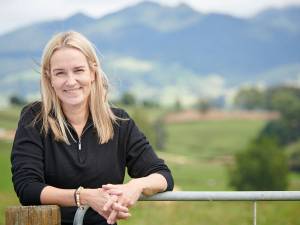
Minister of Conservation Hon Tama Potaka has appointed Susan O'Regan as Chair of the Queen Elizabeth II National Trust (QEII) for a three-year term.
Red meat farmers are welcoming Labour’s plan to review the Emissions Trading Scheme and not to campaign on pricing agricultural emissions.
Where any worker in the kiwifruit industry is mistreated, we expect the authorities to take action.
Mid Canterbury Federated Farmers arable chair, Bevan Lill, said Beef + Lamb NZ data indicated that for the last six years, the average arable return on investment was about 0.8% while inflation ran about 4% - so the average arable farm was going backwards at about 3% a year.
Seed and grain companies share the concerns of arable farmers about the viability of their sector, says Seed and Grain New Zealand chief executive Dr Sarah Clark.
The New Zealand Institute of Forestry (NZIF) says unnecessary changes to New Zealand’s Emissions Trading Scheme (NZ ETS) will seriously erode investor confidence and result in significant reductions in forest planting rates.