Fonterra CFO Andrew Murray Resigns
Fonterra Co-operative Group chief financial officer Andrew Murray has resigned to take up a role outside the dairy giant.
 increase font size
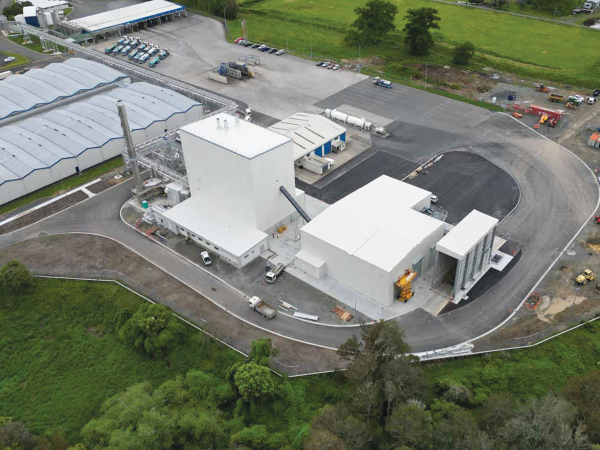 Waitoa is the third Fonterra manufacturing site to reduce coal use this year.
Fonterra's Waitoa manufacturing site is now using around 50% less coal as its new wood biomass boiler swings into action.
Waitoa is the third Fonterra manufacturing site to reduce coal use this year, as part of the co-op’s plan to reduce its Scope 1&2 emissions by 50% by 2030 (from a 2018 baseline).
The new wood biomass boiler will reduce the site’s annual emissions by at least 48,000 tonnes of CO2e, the equivalent of taking 20,000 cars off New Zealand’s roads, and is another significant step in the co-op’s transition to a low carbon future.
Fonterra acting chief operating officer Anna Palairet says the co-op is committed to moving to more sustainable fuel options as part of its ambition to be net zero by 2050.
“Being a leader in sustainability is a strategic priority for the co-operative and we know we have a part to play in helping New Zealand meet its climate targets.
“Fonterra has invested around $90 million in this new boiler, which will make a 3% reduction in our emissions. It is just one of the many decarbonisation projects underway across the co-op.
“Earlier this year we moved off coal to wood biomass at our Stirling site and announced projects at Hautapu where we are converting the coal boilers to use wood pellets, and at the FBNZ Palmerston North site where we have installed a heat pump and solar thermal system.
“These projects follow earlier wood biomass projects at our Te Awamutu and Brightwater sites.
“When you add together the emissions reductions from all projects complete or underway across our manufacturing operations, they reduce our CO2e emissions by a forecast 16% from our FY18 baseline - 279,000 tonnes per annum - the equivalent of 116,200 cars off NZ roads.”
The installation of the new boiler at Waitoa will also give a boost to the local wood biomass industry, with Wood Energy NZ supplying wood chip to power the biomass boiler.
Waitoa is also the home to the co-op’s first electric milk tanker, Milk- E, which to date has collected over 5.5 million litres of milk and completed 1004 farm collections. Fonterra is trialling the electric milk tanker as part of its plan to reduce transport emissions.
Saving Emissions
In 2020, Fonterra's Te Awamutu manufacturing site converted its coal boiler to wood pellets, reducing the co-op’s national coal consumption by 9%, saving more than 84,000 tonnes of carbon emissions per year – the same as taking 32,000 cars off the road.
The Brightwater site near Nelson switched to co-firing biomass, helping reduce CO2e emissions by 25%, or the equivalent of taking 530 cars off the road.
The co-operative is developing plans to transition its manufacturing sites that use natural gas to other more sustainable energy sources such as biomass, biogas, and electricity from renewable sources.
Fonterra Co-operative Group chief financial officer Andrew Murray has resigned to take up a role outside the dairy giant.

Four candidates have been confirmed for two director positions on Fonterra’s board.
A record farmgate milk price and strong global demand is laying the foundation for continued growth of organic dairy farming in New Zealand.
Waikato milk processor Tatua has again declared a record milk payout to farmer shareholders, leaving other processors in the dust.
Fonterra has unveiled its annual results for the 2026 financial year, posting $27 billion in revenue and close to $20 billion returned to New Zealand farmer owners and unit holders.


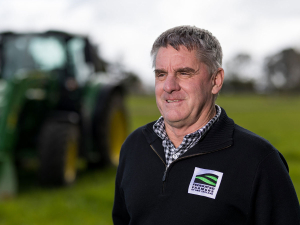
National’s pledge to introduce 19 new national standards shows the party is serious about getting Wellington out of farming, Federated Farmers says.
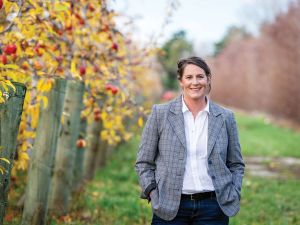
The National Party’s policies to make it easier to grow fresh vegetables, secure reliable water and energy and simplify farm planning are practical changes that will give growers the confidence to invest, according to Horticulture New Zealand (HortNZ).
Fonterra Co-operative Group chief financial officer Andrew Murray has resigned to take up a role outside the dairy giant.
A major move is about to get underway to improve the quality and viability of dairy beef and cattle in NZ.
Veterinarians say changes to the code of welfare for dairy cattle provides a positive foundation for improved cattle welfare across the country.
Today, 15 October, is the International Day of Rural Women, which recognises rural women’s contribution to farming, communities and the environment.