Westpac Urges Farmers to Prepare Now for El Niño Drought
Westpac NZ is calling on farmers and growers to start preparing now for the possibility of a dry summer, as likely El Niño conditions raise the risk of drought across parts of the country.
 increase font size
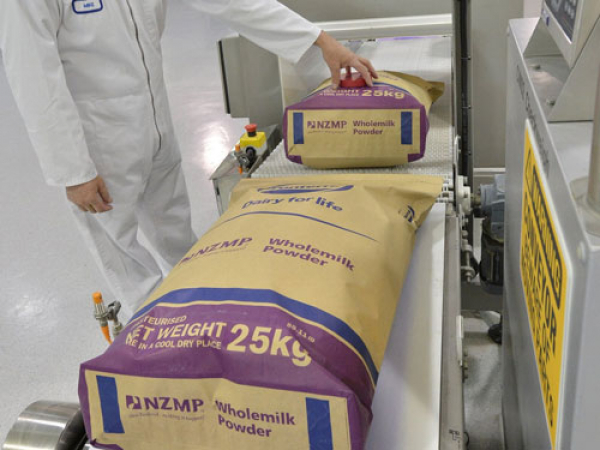 Soaring whole milk powder prices mean a very strong milk price this season.
A $9/kgMS milk price is becoming a real prospect with global dairy prices showing no signs of easing.
The latest Global Dairy Trade (GDT) auction price rise has prompted two banks - BNZ and Westpac - to raise their forecast milk price for the season to $8.90/kgMS.
Their latest forecast hits the top end of Fonterra's forecast milk price range of $7.90 to $8.90/kgMS. The co-operative is expected to upgrade its forecast early next month.
Strong demand and tight global supply, including soft milk production figures from New Zealand processors in the past few months, are putting upward pressure on prices.
BNZ senior economist Doug Steel notes that NZ milk production figures have been "disappointing".
"Both August and September outcomes are around 4% below the corresponding months a year ago," he says.
"This sets up the season overall to be lower than the prior year."
Strong milk prices normally lead to rises in global milk production as farmers try to cash in on the high farm gate milk price.
However, milk production around the globe remains subdued, says Steel.
He notes that milk production growth in the EU has been subdued with output in many key EU countries slipping below year earlier levels.
Australian milk output is down more than 3% year to date. And in the US, September milk production was a mere 0.2% higher than a year earlier.
"We have long been sceptical that global milk supply would respond meaningfully to elevated dairy prices. In part, this is because we saw limited milk supply as a key factor behind higher prices in the first place on rising costs.
"Take the US for example. The US milk price-to-feed ratio has been significantly below average all year, raising the risk that US milk production dips below year earlier levels over coming months."
Steel says all this suggests dairy product prices will be stronger for longer than previously anticipated.
Westpac senior agri economist Nathan Penny says the key catalyst for the 2021/22 forecast revision is the downgrade to forecast production for the season.
Penny now expects New Zealand production to fally by 1.5% compared to last season.
"Previously, we expected production to fall by 1%. This season, New Zealand production has been on the back foot.
"Winter and spring have been either wet or cold or both in many parts of the country.
"As a result, production for the first four months of the season is running at 3.1% behind the same stage of last season."
Coupled with soft dairy production elsewhere in the world thanks to very high feed costs and limited feed availability, strong milk prices could be here to stay.
Westpac NZ is calling on farmers and growers to start preparing now for the possibility of a dry summer, as likely El Niño conditions raise the risk of drought across parts of the country.
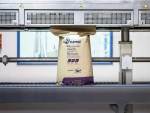
Milk powder prices are keeping farmgate prices up, helping processors offset the dip in milk fat prices.
OPINION: With 10,500 dairy farms, New Zealand continues to punch above its weight around the world.
A milk glut around the world shows no sign of easing, putting downward pressure on farmgate milk prices for the next few months.
Fonterra has reduced its forecast 2026/27 Farmgate Milk Price.


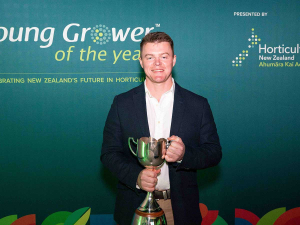
The potato industry is celebrating the success of two rising stars - James Blair, the 2026 Young Grower of the Year and runner-up and innovation award winner, Amber Davy.
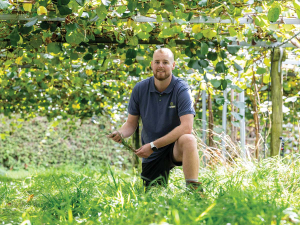
Twenty-eight emerging leaders from across the horticulture sector spent two days last month learning valuable skills and connecting with industry experts.
There are five entrants in this year’s Young Horticulturist of the Year, competing in a series of technical, practical, business and leadership challenges.
A seasoned horticulturist has been appointed to deliver the Apple Action Plan, a key initiative of the India-New Zealand Free Trade Agreement.
New Zealand's citrus growers have been told to compete on the value built into their fruit rather than the volume they grow.
Hawke's Bay fruit growers are being reminded of the need to prepare for whatever the El Niño weather system may bring in the coming months.