Milk Powder Prices Prop Up Farmgate Milk Price
Milk powder prices are keeping farmgate prices up, helping processors offset the dip in milk fat prices.




 increase font size
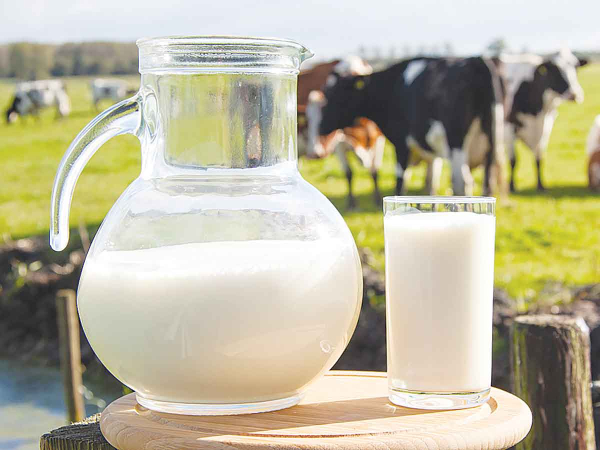
OPINION: What goes up must come down. So, global dairy prices retreating from lofty heights in recent months wouldn’t come as a surprise to many farmers.
After all, farmers around the globe are partly responsible – chasing high dairy prices, they have ramped up production, flooding the global market with milk. At the same time, demand has remained reasonable but not sufficient to soak up the extra supply at previously prevailing prices.
The price index on the latest Global Dairy Trade auction fell 3% to US$3678 a tonne - the 7th consecutive drop and a new 15-month low. Prices have declined for a cumulative 18% drop from its May peak.
Lower global dairy prices reflect a surge in milk supply from major exporting regions, including the US, NZ, and most recently the EU. No one is surprised; global milk production always looked like it would respond to previous price strength and dairy prices, like other commodities, work in cycles.
So, what does it mean for NZ farmers? Federated Farmers dairy section chair Karl Dean says farmers don’t need to worry yet.
They just need to keep focusing on the things they can control on farm: keeping on top of costs where they can, paying down some debt, and investing in the resilience of farms during the good times. A silver lining is the low New Zealand dollar is cushioning the downside in local currency terms.
Dean expects NZ farmers to keep producing as the local climate and grass growth allows.
As he points out, NZ’s pasturebased production isn’t tied as closely to international prices as other countries who feed a lot of grain or other feed in their systems.
NZ farmers will be hoping that with dairy prices falling, those farmers will pull back production, helping arrest the decline in global dairy prices. Meantime, they will just carry on farming as efficiently as possible.
Milk powder prices are keeping farmgate prices up, helping processors offset the dip in milk fat prices.
OPINION: With 10,500 dairy farms, New Zealand continues to punch above its weight around the world.
A milk glut around the world shows no sign of easing, putting downward pressure on farmgate milk prices for the next few months.
Fonterra has reduced its forecast 2026/27 Farmgate Milk Price.
New Zealand dairy farmers are set to be the first in the world to receive access to a new digital physical milk pricing tool that enables them to fix the price for their physical milk.


Dairy processors are ready to further boost New Zealand’s export earnings but want the incoming government to match their ambition with good policy.

Massey University is best placed to solve the “problems” facing the dairy industry, says vice chancellor, Pierre Venter.
Synlait's longest serving employee – a man who joined the Canterbury-based milk processor even before it began processing milk – is now its newest executive.
A dairy industry leader believes eradicating the common and costly disease, Bovine Viral Diarrhoea (BVD) is within reach.
A farmgate milk price of $10/kgMS this season is firming up as milk powder prices soar and the New Zealand dollar weakens.
Federated Farmers has welcomed new rural policies released by ACT, saying they align closely with its own election priorities.




OPINION: It seems Canterbury processor Synlait is still in the doldrums.
OPINION: Get offside with New Zealand First leader Winston Peters at your own peril.




