AgFirst Warns Dairy Farmers Not to Expect Repeat Season
A warning to dairy farmers not to expect the same good conditions that they experienced last season, has been issued by a leading farm consultant.
 increase font size
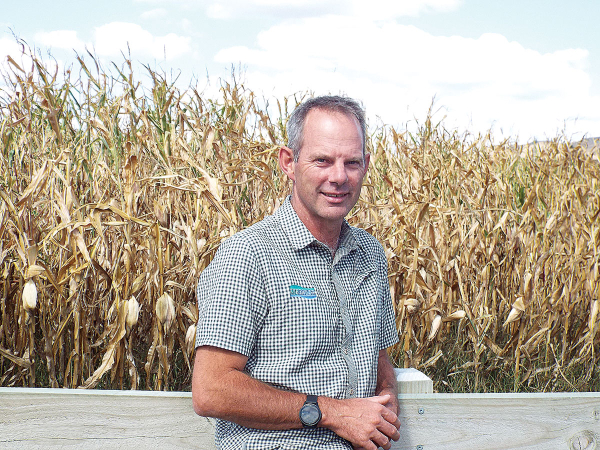 James Allen
"Ask me in about three weeks’ time."
That’s the message from AgFirst chief executive James Allen in regards to the dry weather in NZ’s largest dairy region – the Waikato.
He says the Waikato is the driest it’s been for several years and there is every indication that it will be quite a dry summer. He says there has been virtually no rain since before Christmas, except for a few very isolated thunderstorms in the region resulting in a few farmers getting lucky.
“Generally, it is quite dry. Pasture covers are certainly low, and growth rates have declined and there is a fair amount of supplement being fed out at the moment,” he says.
Allen says because there is so much supplement around, production is holding up, but if the dry weather continues over the coming weeks the impact will become more pronounced. He says the maize harvesters are now on the road, so the first of the maize will be harvested and welcomed by some people.
“At this stage there is good reserves of supplement, and we are still planning to use a fair bit of supplement to milk on, but not to sacrifice next season, which is course is the critical point,” he says.
Allen says at this stage there is spare maize silage and grass silage around and the price of PKE is reasonable. He says farmers should set targets for what pasture covers should look like on June 1 and work back from there.
As for the rest of the country, Allen says the top of Northland got some good rain, but the lower half didn’t and is still quite dry.
“Taranaki is also reasonably dry, while the Tairawhiti and Hawke’s Bay have had rain and Canterbury is also looking pretty good,” he says.
But as he said earlier, time will tell.
A warning to dairy farmers not to expect the same good conditions that they experienced last season, has been issued by a leading farm consultant.

As fuel and fertiliser prices rise and with uncertainty in the future, farmers are being urged to go over their budgets with a fine-tooth comb.
For the most part, dairy farmers in the Waikato, Bay of Plenty, Tairawhiti and the Manawatu appear to have not been too badly affected by recent storms across the upper North Island.
Fears of a serious early drought in Hawke’s Bay have been allayed – for the moment at least.
The swing-over herringbone is the most common dairy type in New Zealand, used on 69% of dairy farms. Simple changes save seconds per cow, and that quickly adds up.



Now in its fourth year, the 2026 Fencing Industry Awards, formed part of the proceedings of the FCANZ Conference, held in Nelson during August.
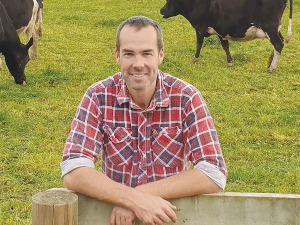
DairyNZ deputy chair Cameron Henderson has been re-appointed unopposed for another term.
OPINION: The stats speak for themselves.
Farms across the upper North Island are trialling different pasture mixes as part of a research programme that aims to build greater resilience into farming systems.
Election years are always a concerning time for farmers, according to DairyNZ chair Tracy Brown.
The Ballance Farm Environment Awards are coming to the West Coast of the South Island.