India FTA Removes 33% Tariff on NZ Sheepmeat
New Zealand’s red meat sector has welcomed the India-New Zealand Free Trade Agreement taking effect, which removes India’s 33% tariff on New Zealand sheepmeat.
 increase font size
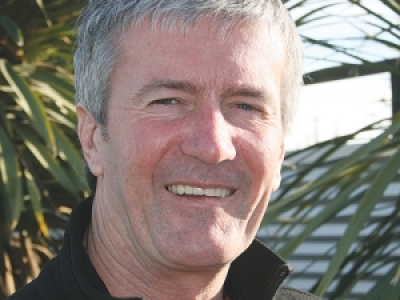 Damien O'Connor.
The Primary Industries Minister needs to stand up for farmers during tough times rather than rolling over for banks.
So says Labour's Primary Industries spokesperson Damien O'Connor.
"Nathan Guy warned the Government wouldn't be bailing out farmers who can't pay their bills following the collapse in the dairy price," O'Connor says.
"The minister needs to show some leadership to the dairy industry, not just speak nicely about banks. The banks can explain their own actions.
"The absence of a strategic plan or direction for the sector – encouraged by taxpayer handouts through Primary Growth Partnerships – has led many farmers down a pathway to high debt and high costs.
"The collapse of the milk price has left 80% of farmers in a cash deficit while their returns continue to fall.
"New Zealand is no longer the lowest cost producer of milk or milk products. Our farmers need leadership that offers them a viable and sustainable business model so they remain in the industry.
"Facts and honest analysis of the international marketplace – not hype and hope from Nathan Guy and John Key – is desperately needed by a dairy farming sector reeling from widespread."
New Zealand’s red meat sector has welcomed the India-New Zealand Free Trade Agreement taking effect, which removes India’s 33% tariff on New Zealand sheepmeat.
New Zealand's role is not to compete with Indian growers, according to NZ Apples and Pears.
The red meat sector is in great heart.
As expected, the US has launched a safeguard investigation into lamb imports, a move that could impact New Zealand sheepmeat returns.
New Zealand's red meat sector says it welcomes the Government's focus on trade ahead of the general election in November.
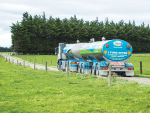
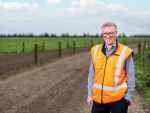
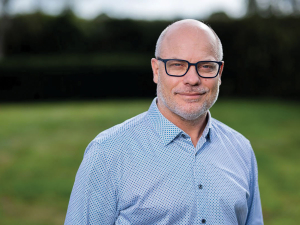
New analysis from DairyNZ highlights the growing importance of efficiency and cost control in maintaining profitability, with a widening gap between New Zealand’s highest and lowest performing dairy farms.
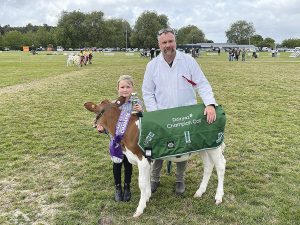
For eight-year-old Myra Smith, weeks of caring for and preparing her Red Holstein Friesian calf, Bell, have paid off, with the young Te Pahu handler taking home the Champion Dairy Type title at the recent Waikato A&P Show held at Claudelands.
A titan of the meat industry but a humble and generous guy.
In line with New Zealand’s strategy to open up new markets, the Ministry for Primary Industries (MPI) his extending its diplomatic footprint.
Demand for dairy products over the next two decades will increasingly be shaped by demographic shifts, rather than population growth alone.
The global dairy industry is fighting back against alternative proteins masquerading as dairy products.