Farming needs policy certainty
National Party leader Simon Bridges explains his party's view on farming and where the Coalition Government is failing.
 increase font size
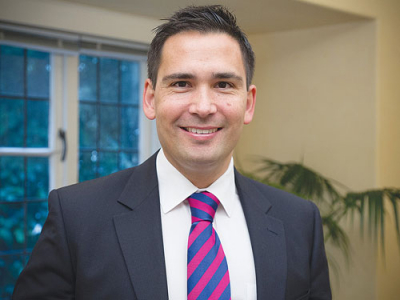 Simon Bridges.
National's position has not changed on a water tax or levy, says Opposition Leader Simon Bridges.
“National will not introduce a tax or royalty on commercial water users – outside of a possible levy on water bottlers who export water,” he says.
Dairy News asked if the party’s position on a wider water tax had changed after he told a radio show he was open to a water tax on bottled water.
“Charging for water bottlers who export is a hard issue,” he told Dairy News. “In Government, we were working our way through it. Our water technical advisory group included the issues around export water in their considerations; that was due to report back in November last year.
“National’s view is we are open to charging water bottlers who export, but the policy needs to be developed carefully to ensure it is consistent, fair and workable.
“Water policy can’t be done in isolation; it needs to be considered [in respect of] other big users such as soft drink manufacturers, beer producers, and irrigators and hydro power generators.
“It also is tied up with the complex issue of iwi rights and interest in fresh water. This is a complicated issue which needs to be appropriately considered.”
Bridges had earlier told The AM Showthat if you put a price on water there will be a variety of interest groups, including iwi, taking you to court.
Labour’s proposed 2c/1000L levy on commercial use was canned when the party did a deal with NZ First to form the government. NZ First only wanted the levy to apply to bottled water, saying Labour’s plan would result in cabbages costing $18 each, Newshub reported.
National Party leader Simon Bridges explains his party's view on farming and where the Coalition Government is failing.
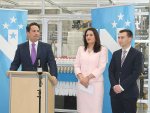
Current restrictions on genetic modification regulation in New Zealand could be reviewed if National were to form the next government.
A newly elected National government would offer special work visas for primary sector workers, instantly deport visitors breeching biosecurity laws and set up mobile health clinics for remote rural regions.
The Hound reckons former agriculture minister and speaker of the House David Carter is heeding calls for him to get out of the political game.
National is leaving behind last week’s rough and tumble of beltway politics – and the aftermath of the Jami-Lee Ross scandal – to take the pulse of rural New Zealand.


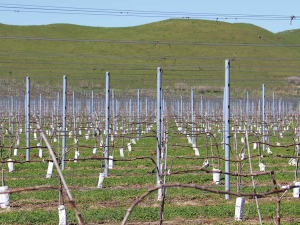
Hawke's Bay fruit growers are being reminded of the need to prepare for whatever the El Niño weather system may bring in the coming months.
Three and a half years on from when Cyclone Gabrielle hit Hawke's Bay, some orchardists in the region are still receiving counselling to help them deal with the trauma they suffered.
South of the central Hawke’s Bay town of Waipukurau is Taniwha Station – a highly successful 550ha bull beef farming operation.
Beef + Lamb NZ funded research has shown that some simple changes to pasture management could help farmers make better use of rainfall and build resilience before dry conditions hit.
OPINION: There could hardly be a more appropriate theme for a conference than the one chosen by the red meat sector - Navigating Volatility.
When Northland leather worker Vernon Suckling started making horse saddles 50 years ago, quad bikes and side-by-side vehicles were unheard of.