DairyBase and MINDA Link Up to Cut Farmer Paperwork
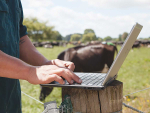
Farmers can spend less time on paperwork, thanks to a new data sharing agreement between DairyNZ’s DairyBase and LIC’s MINDA software.
 increase font size
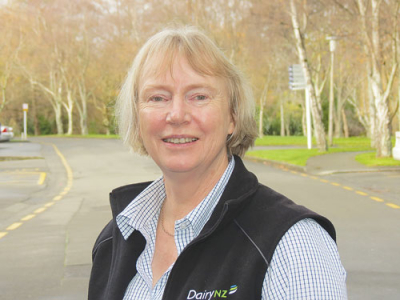 Nita Harding.
DairyNZ veterinary technical policy advisor Nita Harding says normally not too many cows need to be slaughtered on dairy farms.
Her statement comes following Farmwatch releasing photographs of hundreds of cow carcasses in a gully on a Northland farm.
Farmers would be expected to monitor the health of their animals and attend to their needs in a timely manner, she says. But some may need to be put down, such as the injured and those not acceptable to a meat processor.
Clear regulations govern the humane slaughter of stock on farms and these are on the websites of DairyNZ and MPI.
“We have also produced guidelines for humane onfarm slaughter and these are on our website. They tell a bit more of ‘how’ to meet the requirements which can be useful for farmers working through procedures onfarm.
“We also have a template for farmers to fill in about who has been trained, what method should be used and contact numbers of veterinarians for people who want more information.”
Harding says three procedures are recommended for slaughtering cows: first, a captive-bolt firearm followed by a secondary method such as bleeding or pithing; second, using a normal firearm is also permissible followed by bleeding the animal out; third, employ a veterinarian to either euthanise the animal with drugs or kill it with a captive bolt firearm.
She says farmers are generally well aware of their animal welfare responsibilities and requirements. Some dairy companies help farmers in this and in all cases the appropriate treatment of animals forms part of their supply agreement with the company.
“We encourage farmers with questions about onfarm slaughter to talk to their veterinarian or look at the DairyNZ website.
“The main goal is for farmers to treat animals in a proper and timely manner so that they recover and return to the herd.”
Farmers can spend less time on paperwork, thanks to a new data sharing agreement between DairyNZ’s DairyBase and LIC’s MINDA software.
OPINION: In the 1980s, concern was expressed in West Germany about the falling birth rate. Some simple analysis was performed by Professor Helmut Sies, physician and biochemist at Dusseldorf University. His letter ‘A new parameter for sex education’ was published in Nature in 1988:
OPINION: Dairy farmers know better than anyone that change is constant.
A four year trial has reaffirmed that mixing plantain into dairy pastures can help reduce nitrogen losses to freshwater while maintaining milk production and profitability, say researchers.
OPINION: Today marks Farm Worker Appreciation Day – a day we’re proud to recognise here in New Zealand.


New Zealand wool is reaching new heights as air filtration companies move away from synthetic products to biodegradable alternatives.
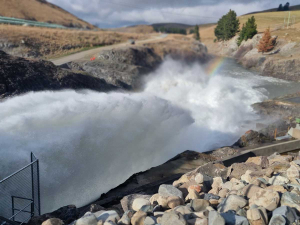
Opuha Dam's ability to protect South Canterbury communities from major flooding has taken a significant step forward, with Opuha Water Limited (OWL) successfully commissioning a new outlet valve capable of releasing record volumes of water from the dam ahead of a weather event.
There's been widespread support from the primary sector for the Government's announcement on changes to freshwater farm plans that come under the Natural Environment Bill, which is now set to replace the existing RMA.
A partnership between state-owned enterprise Pāmu (Landcorp Farming Limited) and charity Meet the Need is putting more than quality New Zealand beef into food bank parcels this year.
The Opportunity Party has faced criticism during the election campaign that its policies are too urban-focused and offer little for rural communities.
The chair of the country's environmental regulator, the Environmental Protection Authority (EPA), says changes are already under way to improve the performance of the agency to better meet the needs of those who interface with them.