DairyBase and MINDA Link Up to Cut Farmer Paperwork
Farmers can spend less time on paperwork, thanks to a new data sharing agreement between DairyNZ’s DairyBase and LIC’s MINDA software.




 increase font size
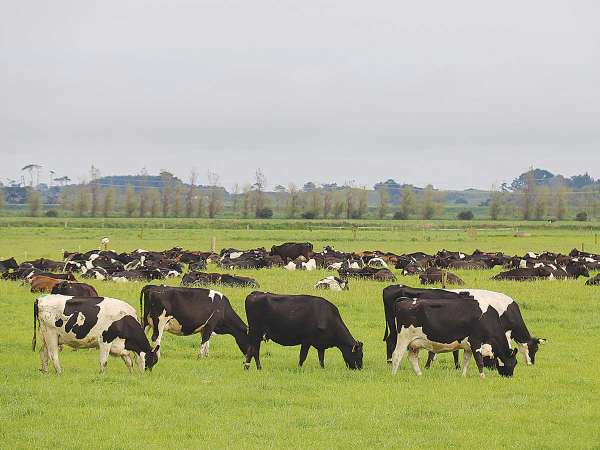 The programme, initiated in 2021 and supported by CRV, set out to identify low-emitting bulls.
Livestock Improvement Corporation (LIC) and the Ag Emissions Centre have completed the latest phase of a mult-year methane research project, providing important insight into the role genetics may play in reducing gross emissions.
The programme, initiated in 2021 and supported by CRV, set out to identify low-emitting bulls.
The hypothesis was that these bulls would pass the trait on to their daughters.
Because a relatively small number of bulls sire the next generation of cows, this approach offers a cost-effective and innovative way to introduce low methane emissions into the national herd.
Early findings were encouraging, with lower methane emission traits identified in young bulls, and clear evidence these traits were passed on to their growing daughters.
However, the final phase of the research, which measured methane emissions in those daughters once they were lactating, found that this trait does not seem to be expressed.
Executive director of the Ag Emissions Centre, Naomi Parker says while the outcome is disappointing, the findings are still valuable, and the job now is to shape the direction for future research.
"Genetics still can have a meaningful role in reducing gross methane emissions. For beef and sheep, we are still confident in the approach, and we will be feeding the insights from this trial into work underway in these areas. For dairy we will consider taking a different approach that will likely focus on measuring lactating cows for methane production to generate a DNA-based selection criteria."
Farmers can spend less time on paperwork, thanks to a new data sharing agreement between DairyNZ’s DairyBase and LIC’s MINDA software.
Beef+Lamb New Zealand and the Ag Emissions Centre have launched a new research project aimed at helping beef farmers reduce methane emissions without impacting productivity or profitability.
An LIC bull, Tronnoco AR Sadio-ET S3F, bred by Tony and Keri O'Connor of Tronnoco Farming Co Ltd near Timaru, has won the 2026 Mahoe Trophy.
Bovine Viral Diarrhoea (BVD) is estimated to cost New Zealand's dairy and beef industries more than $150 million every year, yet many of the tools needed to control it are already well understood. After more than 25 years in veterinary practice, Andrew Weir, animal health technical specialist at LIC, has seen firsthand the impact BVD can have on herd performance. We asked him about the role of persistently infected (PI) animals and the practical steps farmers can take to reduce their risk.
In the past, a bull could sit comfortably in a breeding team for several years with little change, but today, that’s no longer the case.


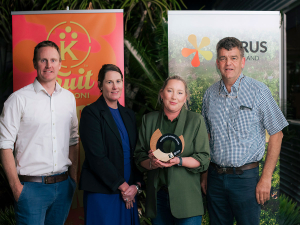
New Zealand's citrus growers were challenged to build their future on the value embedded in their fruit rather than the volume they produce, at Citrus New Zealand's annual gathering in Gisborne on 17 September.
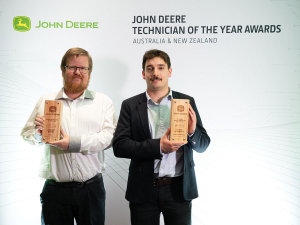
Leading John Deere technicians and apprentices from New Zealand and Australians were recognised at the recent sixth annual JD Technician of the Year Awards, held in Brisbane.
In Dacre, near Invercargill in New Zealand’s South Island, Bruce Dinnington is running a dairy operation unlike any other.
A free online platform aggregating governance vacancies across rural and regional New Zealand has been launched.
Environment Minister Nicola Grigg has announced details of a new rural plastics recycling scheme.
Agricultural drone operators say that a government decision to allow lower-risk drone work without certification won’t lower standards but drive innovation and efficiency.





OPINION: The same mainstream media muppets that brought you Jacindamania in 2017 have been flat out pimping for the Opportunities…
OPINION: Your old mate reckons the atrocious way farmers in the UK are treated by their lords and masters in…




