Why Now Is the Time to Plan Farm Succession, Findex Says
OPINION: Succession and long-term planning are perennial topics because it is perpetually sidelined on busy farms.
 increase font size
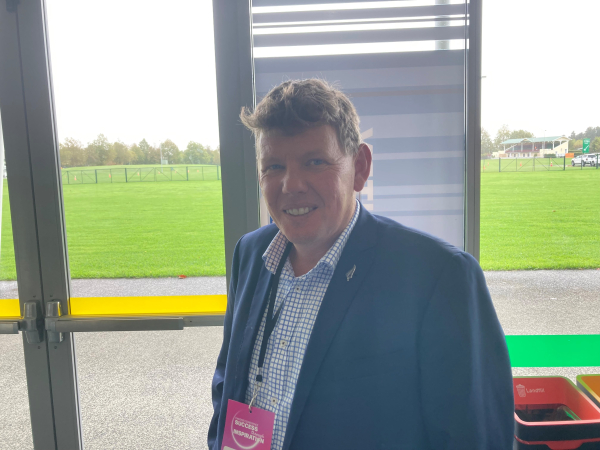 Hamish Marr
New Zealand’s special agricultural trade envoy Hamish Marr believes the outlook for the dairy sector remains strong.
He says as the middle class rises around the world, demand for protein, especially that produced by New Zealand, will remain elevated.
Marr was speaking at the Dairy Women’s Network annual conference in Hamilton this morning.
An arable farmer from Canterbury, Marr says his confidence in dairy is reflected on his decision to buy a neighbouring 600-cow dairy farm this year.
“The middle class is rising, and they will be hungry for protein,” he told the conference.
He noted that New Zealand’s dairy offering is unique in the world.
NZ’s low-cost system of rotational grazing is the key point of difference with many other dairy producers, he says.
“Our cows walk to the feed, eat and come back: in many countries under the high-cost model feed goes to the animals.”
But he adds that many countries the New Zealand dairy industry as a threat to their domestic sector.
“They fear New Zealand will flood our market and put cheaper products on supermarket shelves,” he says.
“That’s one thing the dairy sector needs to be cognisant of.”
OPINION: Succession and long-term planning are perennial topics because it is perpetually sidelined on busy farms.
Farms across the upper North Island are trialling different pasture mixes as part of a research programme that aims to build greater resilience into farming systems.
Election years are always a concerning time for farmers, according to DairyNZ chair Tracy Brown.
Matt Collier, Probiotic Revolution, says calves will drink a lot of milk once-a-day with their probiotic Calf Xtreme.


LIC shareholders have elected a new North Island representative to the co-operative's Board, along with five representatives to its Shareholder Reference Group (SRG), following the company's Annual Meeting held in Invercargill.
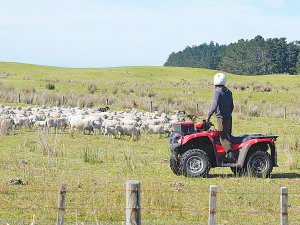
Farmers across parts of Southland and South Otago are continuing to deal with difficult conditions after a prolonged run of wet weather, with pressure building around feed supply, stock management, pasture damage, farm infrastructure and everyday workloads.
Federated Farmers says it welcomes Labour's commitment to reviewing the Sharemilking Agreements Act, calling on other major parties to do the same.
For Canterbury dairy farmers Sian Meijer and Rick Wobben, wearable technology has become one of their most valuable on-farm tools - helping manage 1850 cows across an expansive, high-performing dairy operation while improving efficiency, mating outcomes and day-to-day decision making.
Fonterra has unveiled its annual results for the 2026 financial year, posting $27 billion in revenue and close to $20 billion returned to New Zealand farmer owners and unit holders.
The first major update to the Dairy Cattle Code of Welfare in more than a decade has been released, marking what DairyNZ describes as an important step in ensuring animal welfare standards continue to evolve alongside scientific evidence and on-farm realities.