NZ Beef’s US Opportunity and the Dairy Beef Initiative
Good medium to long term prospects for NZ beef, especially in the US, has heighted the focus on various initiatives to capitalise on this situation.
 increase font size
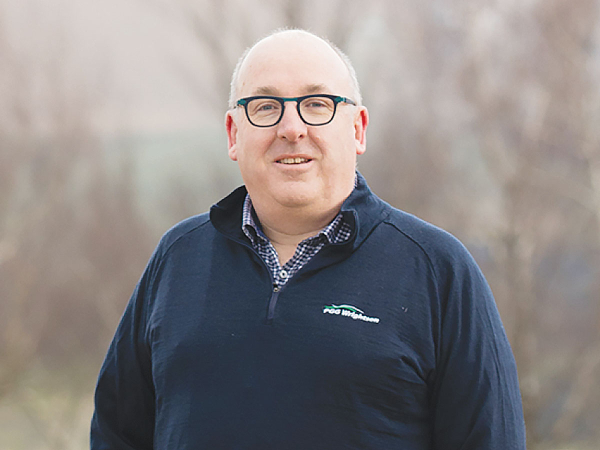 PGG Wrightson chief executive Stephen Guerin.
Pleased, but cautious. That’s how PGG Wrightson chief executive Stephen Guerin says he’s feeling about the rural retailer’s latest financial result.
Last week, the company released its half-year results to December 2024. Those results saw earnings before interest, taxes, depreciation and amortisation (EBITDA) jump 13% and its net profit after tax (NPAT) rise by 25%.
It’s a marked improvement on the company’s 2024 full-year result which saw EBITDA drop 17% and NPAT drop to $3.1 million.
However, Guerin says that he’s cautiously optimistic about the result as the sector’s economic conditions show early signs of improvement.
“We are seeing some improved confidence in the sector, that’s playing out in terms of the Federated Farmers survey… we’re seeing improved commodity prices for our farmer-growers,” he told Dairy News.
The most recent Federated Farmers Farmer Confidence survey saw farmer confidence at its highest level in over a decade, surging from -66% in July 2024 to +2% in January 2025.
“Interest rates are in our customers’ favour and hopefully that plays out in terms of improved confidence levels as well,” Guerin says.
However, he says the sector is still facing its challenges. “Not everything is looking up, there’s a few challenges within the sector,” he says.
“There is the conversation across the sector about what do tariffs look like for rural New Zealand, but until we see that detail, that’s just a conversation at the moment,” he adds. “Until we see that detail, we’re just getting on with life as the rural sector tends to do.”
Guerin says PGG Wrightson is “reasonably confident” for 2025.
He says there are more signs pointing towards improved farmer confidence and improved business outcomes for the retailer and its farmers than there are towards a negative year.
“There could be some movement in input prices for our farmers,” he says, adding that if those input prices were to rise, it could be a problem.
“There is a weaker New Zealand dollar. That does improve commodity prices for sales output, but it does result in some higher input prices for our farmer clients. We’ve seen that recently with some of the fertiliser companies bringing their prices up.
“Commodity cycles do come and go, but if you look at the average and you look at the market indicators right at the moment, there are a few things that would suggest this has a wee way to run at the moment, but it doesn’t take much to knock some confidence,” he concludes.
Good medium to long term prospects for NZ beef, especially in the US, has heighted the focus on various initiatives to capitalise on this situation.

Carrfields has announced the appointment of Stu Hall to the newly created role of chief operating officer, Carrfields Ltd, reflecting the continued growth of their agribusinesses and the need to ensure the company has the leadership capacity and support in place as it pursues the emerging opportunities ahead.
State farmer Pāmu is bracing for a $30 million hit from soaring farm input costs this financial year.
Pāmu has released its FY26 Integrated Annual Report, reporting a Net Operating Profit of $113 million, more than double the $49 million recorded in FY25.
Meat Industry Association data, released alongside the Red Meat Sector conference in Wellington, shows export value climbing across the US, China, UK and Canada.



Fonterra Co-operative Group chief financial officer Andrew Murray has resigned to take up a role outside the dairy giant.
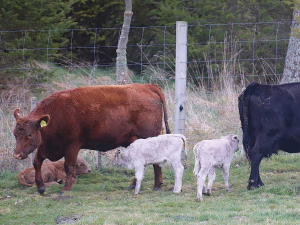
A major move is about to get underway to improve the quality and viability of dairy beef and cattle in NZ.
Veterinarians say changes to the code of welfare for dairy cattle provides a positive foundation for improved cattle welfare across the country.
Today, 15 October, is the International Day of Rural Women, which recognises rural women’s contribution to farming, communities and the environment.
Global dairy giant Lactalis has integrated its Australian operations with the Mainland Dairy consumer business it acquired from Fonterra earlier this year.
High country stations, mixed sheep and beef farms, Māori-owned farms, corporates and family operations are among the nine commercial farms taking part in the Livestock Innovation Farming Transformation programme, known as LIFT.