Rabobank Launches HortPathways for Emerging Hort Leaders
Twenty-eight emerging leaders from across the horticulture sector spent two days last month learning valuable skills and connecting with industry experts.
 increase font size
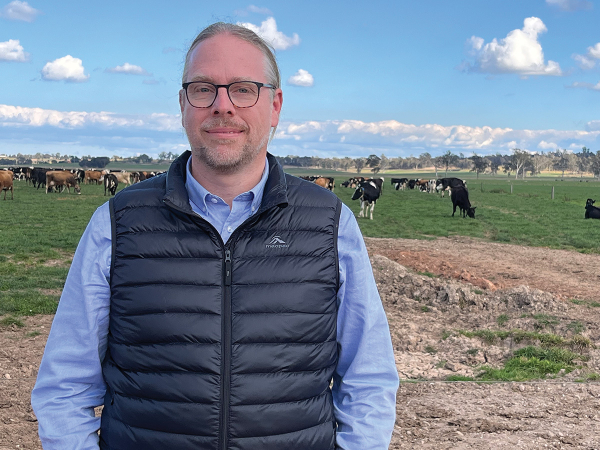 General manager for RaboResearch New Zealand and Australia Stefan Vogel.
The global agricultural landscape has entered a new phase where geopolitics – not only traditional market forces – will dictate agricultural trade flows, prices, and production decisions.
That’s according to Rabobank’s Agri Commodity Outlook 2026 report. It describes a world where agricultural commodity exports have become “pawns on a geopolitical chessboard” between two spheres of influence - China and the United States - that both serve as crucial export destinations for New Zealand.
With trade wars reshaping long-standing production and exporting patterns, Rabobank head of agri commodity markets research Carlos Mera said that agriculture was now playing by geopolitical as well as supply-and-demand rules.
“[For example] before the Trump-Xi agreement, Brazil’s soy export prices benefitted from strong Chinese demand while US prices were heavily depressed. Since the announcement of the agreement US and Brazil soybean prices have come closer together, but given that we still see a lot of trade barriers ahead, more price differences are likely.
“Farmers, traders, and policymakers must prepare for a world where trade is disrupted, regional prices fluctuate and the unexpected is now the baseline. Geopolitical fragmentation and government intervention has redefined global agriculture.”
Initial trade conflicts that began with tariffs have evolved into a global subsidy race with governments intensifying agricultural support programmes through direct payments, minimum price guarantees and biofuel mandates.
General manager for RaboResearch New Zealand and Australia Stefan Vogel said this widespread protection has muted the reaction of farmers to low prices.
“New Zealand’s trade with the US and China is going strong, benefiting farmgate prices. New Zealand will be hoping to fly largely under the geopolitical radar again in 2026.”
Despite trade tension, global growth in 2025 exceeded expectations supported by monetary easing, lower energy prices and frontloading of exports ahead of tariff hikes.
However, these mitigating factors will fade, with the negative effects of tariffs and uncertainty (such as widening price gaps between producing nations) likely to surface in 2026.
Rabobank forecasts global GDP growth at 2.9% in 2025, easing to 2.7% in 2026. While trade between major blocs will likely slow, intraregional trade could rise due to diversion. Inflationary pressures are expected to persist in some regions but will likely be less severe than previously projected.
Meanwhile, the tariff war’s unintended effects are still being corrected, with US authorities reviewing tariffs on products the country does not produce – like coffee and cocoa – which could ease costs for US consumers and restore trade flows from producing nations.
Milk production in most key global dairyexporting regions is growing with a velocity outperforming RaboResearch’s previous expectations. These gains are expected to maintain momentum into 2026, though the pace will moderate.
Twenty-eight emerging leaders from across the horticulture sector spent two days last month learning valuable skills and connecting with industry experts.

A 'tsunami' of milk from key exporting countries is winding down and this may be good news for New Zealand dairy farmers.
Chinese beef trade quotas and a looming suspension of Brazilian beef imports into the European Union are expected to reshape global beef trade flows over the remainder of 2026, with implications for New Zealand exporters, according to Rabobank's Q3 Global Beef Quarterly report.
New Zealand consumers are paying more for beef mince than ever before, with the average retail price now sitting above $24 per kilogram, according to Rabobank.
West Otago dairy farmer Luke Kane has been awarded the 2026 Rabobank Dr John Morris Business Development Prize.


Safer Farms is urging farmers to make sure everyone working on farm has safe, suitable footwear for the job.
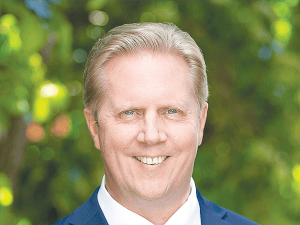
The Government is backing work on a community-led water storage scheme that could irrigate up to 11,000 more hectares of the Poverty Bay flats, Agriculture Minister Todd McClay says.
Agri-tech company Herd-i has become a new all-region sponsor of the New Zealand Dairy Industry Awards (NZDIA), the largest nationwide celebration of excellence in the dairy sector.
Four candidates have been confirmed for two director positions on Fonterra’s board.
Returning to the family dairy farm after playing 20 years of professional rugby around the world is no easy task.
After delivering another record farmgate milk price to 100 supplying farms, independent milk processor Tatua is entering thee new financial year with a positive outlook.