El Niño Spring Outlook: What to Expect in Five NZ Regions
El Niño has officially been with us for several weeks now, and late winter and early September have given us a taste of what is to come.
 increase font size
 Greg Campbell, Ravensdown chief executive.
Ravensdown returned savings of about $1.3 million to its farmers.
The savings are thanks to the difference between the two superphosphate manufacturers' web-listed price for customers buying super-based products between September 1 and December 1.
Since 1 September, when Ravensdown capped its spring season super price at $320 per tonne, the value difference compared to the only other superphosphate manufacturer in New Zealand has been $7 per tonne. Some products, such as sulphur superphosphate, saw a $13 per tonne difference across the three months.
"Keeping prices capped and that low for the crucial spring months adds up to an early rebate for customers who needed the money more than we did," says Greg Campbell, Ravensdown chief executive.
From December 1, Ravensdown is taking the lead and reducing potash by $20 per tonne and ensuring other products such as urea and DAP are currently unchanged at $575 and $875 per tonne respectively.
"By moving superphosphate up $10 to $330 per tonne from 1 December, we effectively delayed the impact of any price rise during those important spring months," says Campbell.
"Even with this move, we continue to shield shareholders from the full cost of their superphosphate. We'll continue to closely monitor both global commodity prices and the falling exchange rates over the summer months.
"Despite exchange rate pressures and short term volatility, we are seeing gains in our operational efficiencies and our global suppliers supporting us as we strive to deliver all-year value to shareholders."
As farmers potentially face an El Nino summer, early superphosphate application is advisable to miss the rush before autumn rains hit. Meanwhile N-Protect, which is a coated urea product that reduces losses of nitrogen to the atmosphere, is proving valuable in hot and dry conditions.
El Niño has officially been with us for several weeks now, and late winter and early September have given us a taste of what is to come.

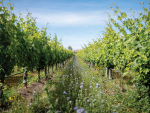
With a very strong El Niño increasing the odds of a dry and windy winegrowing season in New Zealand’s eastern regions, the industry should take measures to prepare.
Hawke's Bay fruit growers are being reminded of the need to prepare for whatever the El Niño weather system may bring in the coming months.
Ravensdown shareholders have elected Jane Montgomery and Kate Acland to the Ravensdown Board for three-year terms, following a closely contested director election.
Westpac NZ is calling on farmers and growers to start preparing now for the possibility of a dry summer, as likely El Niño conditions raise the risk of drought across parts of the country.


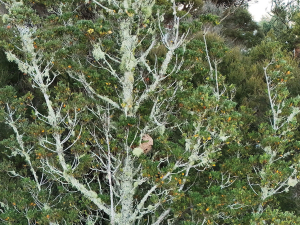
Will drones be the answer to tackling the problem of wasp and hornet nests high up in trees and other inaccessible places?
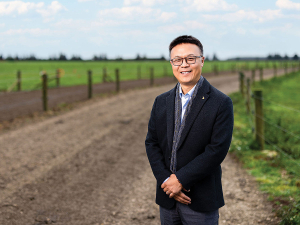
Canterbury milk processor Synlait has come through tough times and is now ready to scale up from a stable base, says its newly confirmed CEO Leon Fung.
NZPork says a ham made in New Zealand is not necessarily made from New Zealand pork.
Rural Contractors NZ says proposed changes to land transport rules for agricultural vehicles are a welcome response by the Government to out-of-date regulations which have seen members hit with huge fines.
With New Zealand’s greenhouse gas emissions in the spotlight, Auckland scientist Nathan Balasingham says there’s a better way to tackle the problem than shrinking cow numbers or fertiliser usage.
Massey University vice chancellor Pierre Venter says his institute is moving from a period of austerity into a growth phase, based on their new strategy.