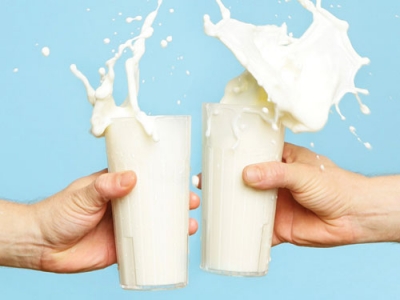
The Ministry for Primary Industries (MPI) is reminding consumers to take care when drinking raw unpasteurised milk, a high-risk food.
"We have seen a number of recent cases of foodborne illnesses linked to raw milk and it's important that consumers remember and understand that there are risks with drinking raw milk," says MPI animal & animal products director, Matthew Stone.
Raw milk has not been pasteurised (heat treated) to kill harmful bacteria like Campylobacter and Salmonella that could be present.
"Many people who drink raw milk do not always fully understand the risks and don't realise that there is the possibility of getting sick from the harmful bacteria in the milk."
"Pregnant women, young children (particularly babies), the elderly, and people with weakened immune systems should not drink raw milk as they are at greatest risk of getting sick and the consequences for them can be more severe, and in some cases can lead to death," says Stone.
"No matter how carefully the animals are milked there is always a risk that harmful bacteria can get into the milk. There is no way of telling by taste, sight or smell if the milk you are drinking contains any harmful bacteria so we recommend that people heat their raw milk until just boiling (or to 70°C for one minute) before drinking it."
Keeping raw milk refrigerated (4°C or less) also reduces the risk of any harmful bacteria in the milk growing to levels that will make people sick. Milk should be discarded if it has been left out of the fridge and reached room temperature.
"People who choose to drink raw milk should make sure they are getting their milk directly from the farmer and are only buying it for personal and household consumption."