Fonterra FY26 Results: $9.69 Milk Price, $3.4bn Profit
Fonterra has unveiled its annual results for the 2026 financial year, posting $27 billion in revenue and close to $20 billion returned to New Zealand farmer owners and unit holders.
 increase font size
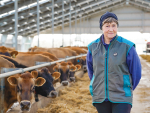
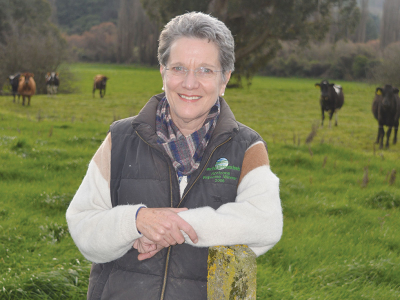 Nicola Shadbolt believes she has unfinished business.
Former Fonterra director Nicola Shadbolt is happy with the review of the director election process.
Fonterra’s first woman director elected to the board, Shadbolt welcomes the decision to give farmers the ultimate say on whether incumbent directors get re-elected: Shadbolt isn’t ruling out another tilt at directorship.
Shadbolt was endorsed by the board for another three-year term on the basis that the board needed to retain some institutional knowledge given that the chair was stepping down. But she was rejected by the independent panel. The rules dictated that a candidate rejected by the panel may not contest the director election that year, so the farmers never had a say.
The review of director election rules has now removed this provision, ie the independent panel’s power to remove incumbents re-contesting election.
Speaking exclusively to Dairy News, Shadbolt says she was frustrated and angry with the system that sidelined her, but she was powerless under the old rules, so it was time for her to retire gracefully,
Shadbolt was “grumpy” at the co-op’s annual meeting last year as she bowed out of the board. She was required to deliver a valedictory and her speech was gracious.
“I thought ‘farmers don’t deserve a grumpy me; let’s just reflect on the last nine years’.”
Shadbolt says she let her views on the issue known to other board members at a farewell function a few months later.
The old system didn’t give farmers a choice. Basically if there were two board vacancies the board gave farmers two names, saying ‘vote yes or no’. The review was triggered when farmers rejected two of three candidates chosen by the panel -- sitting director Ashley Waugh and Jamie Tuuta. Instead, farmers voted in two candidates – Leonie Guiney and John Nicholls – who had self-nominated for the elections.
Shadbolt is happy that new rules have tidied up the election process. This is despite her having been on the committee that devised the new system.
During that process the argument was put that a better caliber of directors would come forward through this process. From her observation the new system resulted in the same mix of experienced/inexperienced and effective/ineffective directors as the old system, but with less diversity. The independent panel rejected two female incumbent directors in a row, first Leonie Guiney and then Shadbolt, both diverse thinkers whod challenge the status quo.
Under the new rules the farmers would have had the decision on whether to accept them back for another term, not the panel.
Shadbolt isn’t ruling out another tilt at the Fonterra board, saying she feels she has unfinished business.
She says the board needs experienced directors: noting that apart from chairman John Monaghan, who has served 11 years on the board, there aren’t too many experienced directors.
Guiney is the next most experienced farmer director, serving a total of four years on the board so far.
Nominations close September 27. Fonterra’s board charter states that a director should serve nine years maximum or a final three year term if approved by the board.
Fonterra has unveiled its annual results for the 2026 financial year, posting $27 billion in revenue and close to $20 billion returned to New Zealand farmer owners and unit holders.
Fonterra Co-operative Group has confirmed the independently assessed candidates standing for election to its board in 2026.
Fonterra has revised its Farmgate Milk Price forecast for the 2026/27 season, lifting the midpoint and narrowing the range on the back of improving global dairy commodity prices.
Outgoing Fonterra Co-operative Council chair John Stevenson says that it has been a privilege to represent the co-op's farmer shareholders.
OPINION: It seems Canterbury processor Synlait is still in the doldrums.


Federated Farmers says it welcomes Labour's commitment to reviewing the Sharemilking Agreements Act, calling on other major parties to do the same.
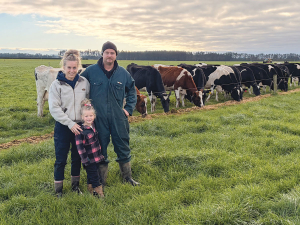
For Canterbury dairy farmers Sian Meijer and Rick Wobben, wearable technology has become one of their most valuable on-farm tools - helping manage 1850 cows across an expansive, high-performing dairy operation while improving efficiency, mating outcomes and day-to-day decision making.
Fonterra has unveiled its annual results for the 2026 financial year, posting $27 billion in revenue and close to $20 billion returned to New Zealand farmer owners and unit holders.
The first major update to the Dairy Cattle Code of Welfare in more than a decade has been released, marking what DairyNZ describes as an important step in ensuring animal welfare standards continue to evolve alongside scientific evidence and on-farm realities.
Ravensdown shareholders have elected Jane Montgomery and Kate Acland to the Ravensdown Board for three-year terms, following a closely contested director election.
Federated Farmers says new legislation replacing the Resource Management Act will cut red tape, unlock investment and help grow New Zealand's export-led economy, after the Planning Bill and Natural Environment Bill passed their third reading in Parliament yesterday.