Leon Fung confirmed as Synlait CEO
Canterbury milk processor, Synlait Milk has confirmed Leon Fung as its chief executive officer.
 increase font size
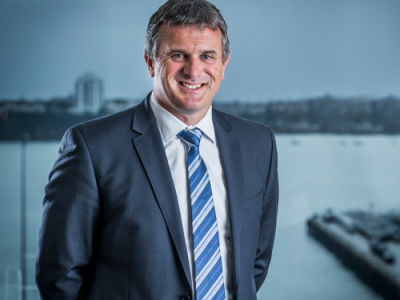 John Penno, managing director and chief executive at Synlait.
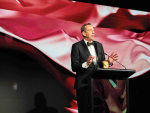
Synlait Milk won the Best Growth Strategy category at the 2016 Deloitte Top 200 Awards last night.
“We’re very proud to receive this award. It recognises the effort we’ve put in since our IPO in 2013 to make more from milk, and the success we’ve had as a result of this approach,” said John Penno, managing director and chief executive.
Held in Auckland, the annual Deloitte Top 200 awards celebrate proven excellence in New Zealand business management and governance.
One of three finalists in the category, the judges said Synlait won because of a growth strategy based on selling selected products to leading brands around the world.
“We are a growth company and will continue investing our profit into the business to pursue profitable growth opportunities,” says Penno.
Synlait reported a record profit in the 2016 financial year (FY16) of $34.4 million, a $23.8 million increase on the prior year.
Penno says Synlait’s point of difference is the way they partner with their customers and milk suppliers.
“Partnering with leading global infant formula companies and market disruptors is a key part of our value added focus. Our FY16 profit stems from significant growth in our ingredients and canned infant formula volumes for our customers around the world,” says Penno.
“Our ability to collect and process differentiated milk streams from our 200 Canterbury milk suppliers consistently, and at scale, with some of the most sophisticated production capability in the world creates real value for both our customers and milk suppliers. That’s what’s driving our revenue and profit growth.”
Synlait recently launched their next growth phase, which will see about $300 million invested over three years. In October they raised $97.6 million of new equity and on November 25 they started trading as a dual listed company on the Australian Securities Exchange (ASX).
Finalists are chosen from the Top 200 index, which charts New Zealand companies based on revenue. The index comprises public listed and unlisted companies, New Zealand subsidiaries of multinational companies, cooperatives, societies and state-owned enterprises (SOEs), plus private companies prepared to supply audited accounts.
Canterbury milk processor, Synlait Milk has confirmed Leon Fung as its chief executive officer.
Waikato milk processor Tatua has again declared a record milk payout to farmer shareholders, leaving other processors in the dust.
Synlait has swung to second-half profit as operations stabilise, but the dairy processor still posted a $75.4m annual loss.
OPINION: It seems Canterbury processor Synlait is still in the doldrums.
Speculation of a possible joint move by Fonterra and a2 Milk to buy Synlait raises a much bigger strategic question, says agribusiness expert Dr Nic Lees.


Federated Farmers has welcomed new rural policies released by ACT, saying they align closely with its own election priorities.

Rural Contractors NZ says proposed changes to land transport rules for agricultural vehicles are a welcome response by the Government to out of date regulations which have seen members hit with huge fines.
Alliance is calling for final applications for its 2027 Graduate Programme, with applications closing on Sunday 25 October.
Decades piloting planes has ensured vet and farmer David Hayes is focused on safety. So, after a serious accident while welding on farm, he is sharing his experience so others can learn from it.
Canterbury milk processor, Synlait Milk has confirmed Leon Fung as its chief executive officer.
OPINION: Making it easier to collect rainwater and use it to grow crops and livestock is a no brainer.