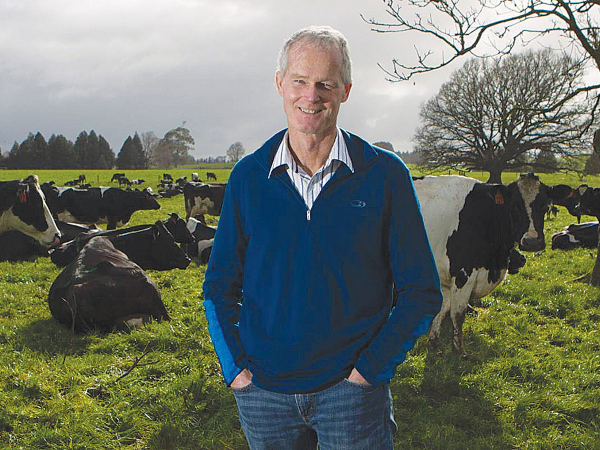
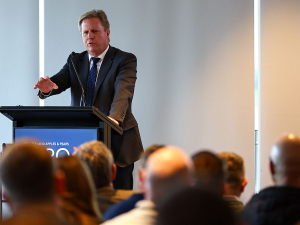
DairyNZ chair Jim van der Poel says he believes that dairy farmers are still under a lot of pressure, having come through Covid and a period where there have been significant staff shortages.
He says there are still a lot of farms having to run with insufficient staff and this adds to the stress.
"When people run the businesses themselves, if they are short on staff, they just work harder and farmers are no different. Families on these farms work harder and this is unsustainable in the long run, especially with a raft of new regulations coming up.
"If you're a family-run operation and you are flat out just running the farm, and you know this stuff is coming at you and you don't quite understand what it is and whether it's going to undermine the viability of your farm, that is very worrying," he says.
Van der Poel says, despite the prospect of good commodity prices, the uncertainty of legislation, especially around the pricing of agricultural emission is putting pressure on people.
"That's why it's so important that all the legislation is fair and equitable and people can understand it and realise that it makes sense," he says.