International Day of Rural Women: Two DairyNZ Farmers’ Stories
Today, 15 October, is the International Day of Rural Women, which recognises rural women’s contribution to farming, communities and the environment.
 increase font size
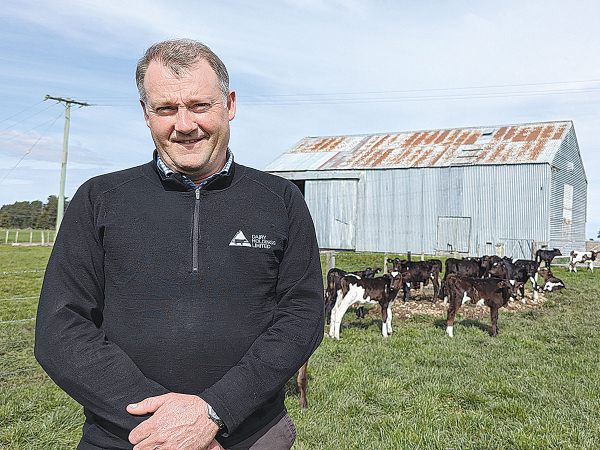 The working group will be chaired by Dairy Holdings chief executive and dairy farmer Colin Glass.
A working group, made up of agribusiness leaders, has been set up to help New Zealand remain internationally competitive in genetic gain.
The independent group has been established following recent DairyNZ consultation on a proposed operating model to develop a single independent Breeding Worth (BW) with genomics, delivered by New Zealand Animal Evaluation Ltd (NZAEL). DairyNZ’s proposal wasn’t fully supported by two main dairy genetic players- LIC and CRV.
The working group will be chaired by Dairy Holdings chief executive and dairy farmer Colin Glass. Glass recently stepped down from DairyNZ board.
Other members include Synlait co-founder John Penno, New Zealand Ministry for Primary Industries chief science advisor John Roche, Massey University farm and agribusiness management professor Nicola Shadbolt and Tatua Co-operative chair Steve Allen.
The group aims to ensure genetic progress helps New Zealand dairy farmers remain internationally competitive and to improve the Kiwi dairy herd through better rates of genetic gain, by considering the agricultural sector’s genetic improvement work.
DairyNZ chair Jim van der Poel says the working group brings together extensive sector knowledge and experience.
“All members are highly knowledgeable and respected in their personal capacities. Together they form a diverse group representing different sector viewpoints.”
Taking an objective and fact-based approach, the group will make recommendations on how to move forward to achieve best practice in genetic gain. It will work in the sector’s best interests, seeking independent advice and opinion as appropriate to build recommendations for change that may be required and can be implemented, including to industry-good investment, action and regulation, DairyNZ says.
All stakeholders, including dairy farmers, will have the opportunity to engage with the process.
Van der Poel says the sector agrees genomic selection has an important role to play in increasing rates of genetic gain. “It’s important for our farmers and the wider sector to know New Zealand is following international best practice in genetic gain. Following the recent consultation, we want to ensure there is sector-wide consensus on whether the current rate of genetic gain is sufficient – and that our systems effectively manage and communicate animal evaluation information and are fit for purpose.
“It is dairy farmers who benefit from the sector being world leading,” he says. “Genetic gain is of critical importance to the ongoing competitiveness and sustainability of New Zealand’s dairy sector. It results in cows that are more efficient producers, meaning they need less feed for each kilogram of milk they produce.
“Those gains help Kiwi dairy farmers be more successful and profitable – and are important if New Zealand is to continue as a world leader.”
The independent working group’s recommendations are expected to be finalised by May 2024, following a stakeholder engagement process.
Today, 15 October, is the International Day of Rural Women, which recognises rural women’s contribution to farming, communities and the environment.
The first major update to the Dairy Cattle Code of Welfare in more than a decade has been released, marking what DairyNZ describes as an important step in ensuring animal welfare standards continue to evolve alongside scientific evidence and on-farm realities.
Have a plan in place for your cows and staff.
DairyNZ deputy chair Cameron Henderson has been re-appointed unopposed for another term.
OPINION: The stats speak for themselves.

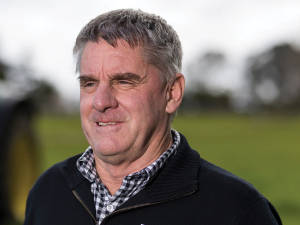
Federated Farmers has welcomed new rural policies released by ACT, saying they align closely with its own election priorities.
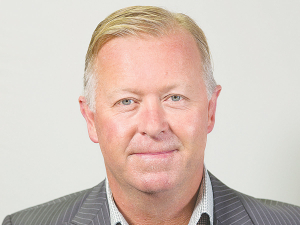
Rural Contractors NZ says proposed changes to land transport rules for agricultural vehicles are a welcome response by the Government to out of date regulations which have seen members hit with huge fines.
Alliance is calling for final applications for its 2027 Graduate Programme, with applications closing on Sunday 25 October.
Decades piloting planes has ensured vet and farmer David Hayes is focused on safety. So, after a serious accident while welding on farm, he is sharing his experience so others can learn from it.
Canterbury milk processor, Synlait Milk has confirmed Leon Fung as its chief executive officer.
OPINION: Making it easier to collect rainwater and use it to grow crops and livestock is a no brainer.