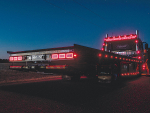
Make your trailer visible at night
With the recent changes to daylight saving and nights drawing in, there is still plenty of traffic on rural roads after dusk.
 increase font size
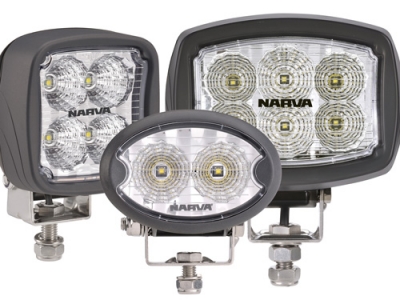 The Narva LED work lamp range.
The shift to LED work lamps in recent times reflects their performance and benefits such as low current draw and a greater resistance to shock and vibration, giving a longer product life.
LED lamps emit a whiter, brighter light than halogens, better illuminating workplaces with light that closely resembles natural daylight.
The Narva LED work lamp range meets the NZ EMC standard CISPR15, so users won't suffer the radio interference that can be an issue with some other work lamps.
Upgrades to some models include increases in light output by as much as 60%, achieved by moving from 3W to 5W LEDs in some variants, and from 5W to 10W LEDs in others. Despite the increase in light output, current draw remains low: the smallest draws 0.58A and the largest just 3.0A (at 12V).
Looks are sleek and modern, and strength and durability are high: the polycarbonate lenses are claimed virtually unbreakable and the mounting hardware is heavy-duty stainless steel.
The lamps come in three sizes, each available in either the standard grey finish or white for marine applications -- the latter using 316 stainless steel fittings.
Across the range, the light output ranges from 900 Lumens for smaller oval models to 4800 Lumen rectangular work lamps with six 10W LEDs. A five-year LED warranty applies.
With the recent changes to daylight saving and nights drawing in, there is still plenty of traffic on rural roads after dusk.
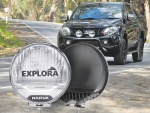
With shortening days meaning the need for good lighting is even more important out on the farm, it might be time to upgrade your illumination.
Originally available with amber lenses only, Narva’s ‘Geomax’ Heavy Duty LED Strobe Beacon light range has been upgraded with the addition of amber/clear, blue and green options.
High quality, reliable lighting is essential for anyone involved in agriculture or the great outdoors.
Narva's new Aeromax LED Rotating Beacons are said to offer big performance and durability.


Four candidates have been confirmed for two director positions on Fonterra’s board.
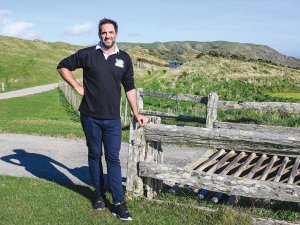
Returning to the family dairy farm after playing 20 years of professional rugby around the world is no easy task.
After delivering another record farmgate milk price to 100 supplying farms, independent milk processor Tatua is entering thee new financial year with a positive outlook.
Managing feed by sticking to a firm plan has helped the Southern Dairy Hub (SDH) demonstration farm survive an extremely wet winter, says the farm's acting general manager Greg Delaney.
A record farmgate milk price and strong global demand is laying the foundation for continued growth of organic dairy farming in New Zealand.
Mobile phone coverage and reliability are deteriorating in rural areas, and farming families are bearing the cost, according to a Federated Farmers survey.