Government approves nationwide recycling scheme for primary sector plastics
Rural recycling scheme Agrecovery is welcoming the Government's approval of regulations for a nationwide rural recycling scheme for agrichemicals and farm plastics.
 increase font size
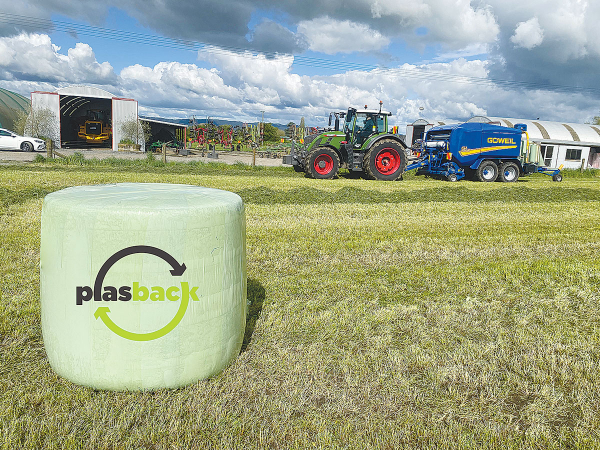 Webbline says it joined Plasback because it supports the industry's efforts to recycle waste.
Agricultural plastic recycler Plasback has announced that the nation-wide farm machinery and silage wrap distributor Webbline has joined its on-farm recycling scheme, a move that will see around 85% of the silage film imported to New Zealand being covered by the scheme.
Plasback commercial manager Neal Shaw congratulate Webbline for their commitment in taking a responsible approach toward the environment and their customers, via product stewardship.
"We encourage all New Zealand companies that supply plastic products and packaging to the agriculture industry to be responsible and join the scheme."
Plasback has 13 collectors around the country who operate nine balers. Shaw suggests that there is room for expansion and a need to fill in a few blank spots. Currently the only cost to farmers and contractors who use the scheme is a $50 charge for a bag that typically takes the plastic from about 150 round bales and is collected by the local operator.
Webbline crop packaging manager Tim Currie says the company joined Plasback because it believes it is important to support the Government's goal of product stewardship for farm plastics, and Plasback's collection service offers the best option to do this.
"We joined the scheme because we want to be seen to be supporting the industry's efforts to recycle its waste, but also because Plasback is accredited by the Government and has developed an efficient model for doing this," Tim says.
"The Government has said that if we put plastic out there without providing a way for it to be collected, then it will impose a recycling system on us."
Tim says Webbline has been supplying the agricultural industry since 1963, so has an in-depth understanding of the importance to ensure the industry is sustainable for future generations.
Neal echoes Tim's words. He says the Ministry for the Environment has made it clear that all farm plastics sold in this country will soon have to be covered by an accredited product stewartship scheme. Eventually everyone in the farm plastics supply chain from manufacturers through to consumers will be responsible for recycling leftover plastic products and packaging.
He also notes that the industry "taking the trouble to clean up its own waste" is a much better solution than government imposing a recycling levy on such materials, with the proposed costs estimated to be about three times greater than what importers and distributors currently pay to be part of the Plasback initiative.
"We are now looking beyond silage wrap to woven plastic bags and sacks and other plastic products. We believe Plasback's voluntary, user-pays collection service is the best model to recycle a wide range of waste plastic products," Neal says. "There is plenty of talk in the industry about supporting product stewardship, but it's time for all suppliers to back that up with action and join a scheme."
Rural recycling scheme Agrecovery is welcoming the Government's approval of regulations for a nationwide rural recycling scheme for agrichemicals and farm plastics.

The Government is calling on rural New Zealanders to share their views on proposed regulations designed to improve the management of farm plastic waste.
Nationwide crop packaging distributor ProAg-Wearparts has joined the Plasback on-farm plastics recycling scheme.
The two main plastic collection programmes in New Zealand’s primary sector have agreed to work together to improve the services they provide farmers and growers.
The two main plastic collection programmes in New Zealand's primary sector - Agrecovery and Plasback - have agreed to work together.


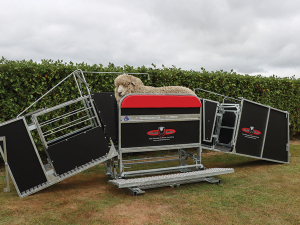
Oamaru-based livestock handling specialist Te Pari has bought Combi Clamp, the New Zealand manufacturer of Combi Clamp manual sheep handlers.
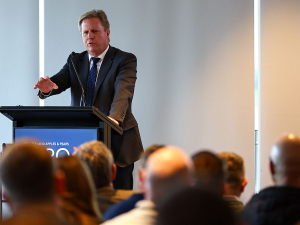
Agriculture Minister Todd McClay has admitted that a scheme bringing workers from Pacific nations to work on orchards has become too hard to navigate but says changes are coming.
A new app designed in New Zealand aims to help sheep, beef and deer farmers capture, analyse and use body condition score data more effectively.
Canterbury farmer Andy Macfarlane has been appointed to the board of AgriZeroNZ, the public-private partnership designed to accelerate the development and deployment of emissions reduction tools for New Zealand farmers.
For over 50 years Mel Ewers has been supporting the apple sector navigate through compliance and quality assurance issues.
The apple sector is enjoying a bumper harvest season.