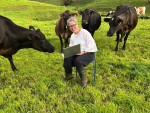
International Day of Rural Women: Two DairyNZ Farmers’ Stories
Today, 15 October, is the International Day of Rural Women, which recognises rural women’s contribution to farming, communities and the environment.
 increase font size

THE IMPORTANCE of getting cows up to the recommended body condition scores (BCS) of 5.0 for cows and 5.5 for rising three-year-olds and heifers has been proven by research at DairyNZ.
So says Dr Gywn Verkerk, a keynote speaker at a recent DairyNZ Farmers Forum at Woodville.
The research involved running three herds of cows at BCS 3.5, 4.5 and 5.5, primarily to look for major correlation between BCS and health. Verkerk says the effect of BCS on reproduction is well known, but they were looking to see if thinner calving or fatter calving cows were more susceptible to disease and how this related to BCS.
“You could do a big epidemiology experiment and get all sorts of information from farms all over the place about diseases. We were more focused on the metabolism of the cow and did some detailed measurements about the cow and looking at the liver and things like that. So we chose to use a smaller group of cows which meant we couldn’t collect clinical data but it has allowed us to have a much more specific view of what’s going on in the cow.”
The scientists looked at a lot of mineral things. “We looked at the immune functions of the cows and developed some specific tests to look at how well their immune function was. We looked at a lot of things like white cell counts and a range of proteins that increase when there is inflammation. We did a lot of work with milk samples looking at somatic cell counts and culture for mastitis.”
The scientists looked at things to do with hunger via animal behaviour studies. “The three take-home messages for farmers was the need to carefully monitor magnesium levels in cows especially during dry periods,” Verkerk says. “We also learned that the uterus in cows with higher BCS turns over faster and enables the cow to be ready to mate earlier, and that cows with a very high BCS had a greater risk of developing milk fever, ketosis and fatty liver infiltration.”
They were surprised at the low magnesium levels during the dry, but she says this backs up DairyNZ’s view that if farmers are transporting cows they should monitor their magnesium levels. She says if they don’t do this there is the risk of ‘cows tipping over’. “It backs up our view about the need for magnesium supplementation,” she says.
Verkerk says the research was timely given the recent drought and has given scientists a greater insight into what happens with very thin cows.
“I don’t want to give farmers the idea that they get away with 3.5 at calving. We were concerned about these cows, and at the research farm they were watched like hawks…. BCS should not fall below three… you can manage down to that level although it’s not ideal and the cows will produce very little milk.”
Verkerk says cow health and their reproductive ability are optimised if their BCS is about the recommended 4.5 to 5.0.
Today, 15 October, is the International Day of Rural Women, which recognises rural women’s contribution to farming, communities and the environment.
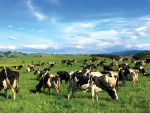
The first major update to the Dairy Cattle Code of Welfare in more than a decade has been released, marking what DairyNZ describes as an important step in ensuring animal welfare standards continue to evolve alongside scientific evidence and on-farm realities.
Have a plan in place for your cows and staff.
DairyNZ deputy chair Cameron Henderson has been re-appointed unopposed for another term.
OPINION: The stats speak for themselves.


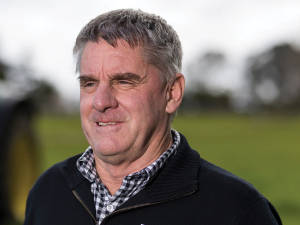
Federated Farmers has welcomed new rural policies released by ACT, saying they align closely with its own election priorities.

Rural Contractors NZ says proposed changes to land transport rules for agricultural vehicles are a welcome response by the Government to out of date regulations which have seen members hit with huge fines.
Alliance is calling for final applications for its 2027 Graduate Programme, with applications closing on Sunday 25 October.
Decades piloting planes has ensured vet and farmer David Hayes is focused on safety. So, after a serious accident while welding on farm, he is sharing his experience so others can learn from it.
Canterbury milk processor, Synlait Milk has confirmed Leon Fung as its chief executive officer.
OPINION: Making it easier to collect rainwater and use it to grow crops and livestock is a no brainer.