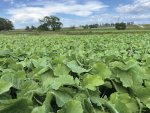
New Reviva Forage Rape Wins Over Dryland Farmers in First Year
It's only just hit the market, but a new forage rape bred for dryland farms has already won the approval of lambs and young cattle both north and south.
 increase font size
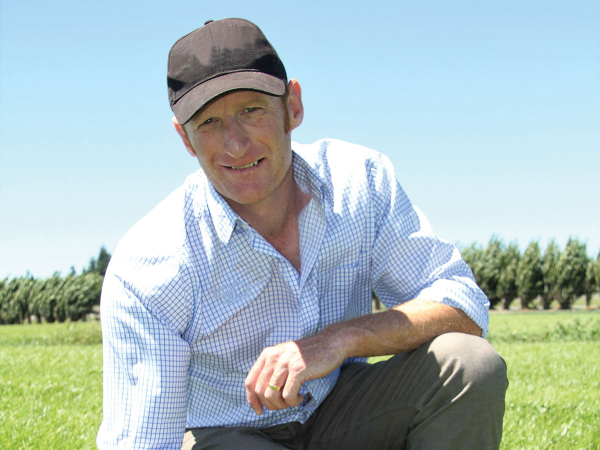 Barenbrug pasture systems manager Blair Cotching.
Every blade of grass holds the power to dilute rising costs
It might sound too good to be true. But the answer lies in virtually all your paddocks, claims Barenbrug pasture systems manager Blair Cotching.
“The more pasture you grow and utilise on-farm, the better your return from every dollar spent on inputs, and that’s a fact. It all comes down to management.
“It doesn’t have to be complicated or disruptive – sometimes even a small change can lead to a big improvement. And we can help make it happen.”
DairyNZ has highlighted grazing management as one of three key levers in coping with runaway farm input costs this season, along with strong financial and people management.
Unlike fertiliser, feed and fuel prices, deciding when and how to graze is something farmers have complete control over, Cotching says.
Grazing has been exhaustively researched in New Zealand, and the results are clear.
“Look after your pastures, and in return they will look after you, your cows and your wallet.”
Cotching claims you don’t have look far to find expert advice on good pasture management.
“Even better, it’s available on demand, round the clock, free of charge, so you can get answers when it suits you.
“Our website is chock-full of everything we know about getting the best out of pastures on NZ farms.
“It’s based on 30 years of our own experience, as well as decades of pasture science and research.”
Every dairy system is different, Cotching says, and finding the right way to grow and utilise more pasture per hectare is not always evident from a hands-on daily farming perspective, especially when labour is short and time even shorter.
“But the core principles apply no matter where or how you farm. Every blade of grass holds the power to dilute the rising costs of essential farm inputs, and we’re here to help you find out how.”
It's only just hit the market, but a new forage rape bred for dryland farms has already won the approval of lambs and young cattle both north and south.
Keeping cows happy and well fed at home this winter just got easier with the launch of a prolific new annual ryegrass bred to jump out of the ground even faster than its popular predecessor.
New industry trials confirm what matters most for perennial ryegrass seed this autumn: Cool, dry storage keeps endophyte viability above the 70% commercial threshold, according to pasture specialist Barenbrug.
Pasture specialist Graham Kerr claims that one hybrid ryegrass in New Zealand continues to dominate industry yield trials, as it has done every year since it was launched in 2021.
It may still be under the radar for many, but one new pasture has been making waves for three different farmers lately.



LIC shareholders have elected a new North Island representative to the co-operative's Board, along with five representatives to its Shareholder Reference Group (SRG), following the company's Annual Meeting held in Invercargill.
Farmers across parts of Southland and South Otago are continuing to deal with difficult conditions after a prolonged run of wet weather, with pressure building around feed supply, stock management, pasture damage, farm infrastructure and everyday workloads.
Federated Farmers says it welcomes Labour's commitment to reviewing the Sharemilking Agreements Act, calling on other major parties to do the same.
For Canterbury dairy farmers Sian Meijer and Rick Wobben, wearable technology has become one of their most valuable on-farm tools - helping manage 1850 cows across an expansive, high-performing dairy operation while improving efficiency, mating outcomes and day-to-day decision making.
Fonterra has unveiled its annual results for the 2026 financial year, posting $27 billion in revenue and close to $20 billion returned to New Zealand farmer owners and unit holders.
The first major update to the Dairy Cattle Code of Welfare in more than a decade has been released, marking what DairyNZ describes as an important step in ensuring animal welfare standards continue to evolve alongside scientific evidence and on-farm realities.