Fonterra Names Four Independently Assessed Director Candidates
Fonterra Co-operative Group has confirmed the independently assessed candidates standing for election to its board in 2026.
 increase font size
 A lot has changed since DIRA came into force 17 years ago and now two issues need urgent attention.
Fonterra farmers have been unhappy with aspects of the Dairy Industry Restructuring Act (DIRA) for some time.
In many respects DIRA still makes sense, but the farmers point out, quite rightly, that a lot has changed since DIRA came into force 17 years ago and now two issues need urgent attention.
DIRA was designed to promote competition, to give farmers the choice of who should get their milk. And today there are about 10 independent processors, about half of them overseas-owned.
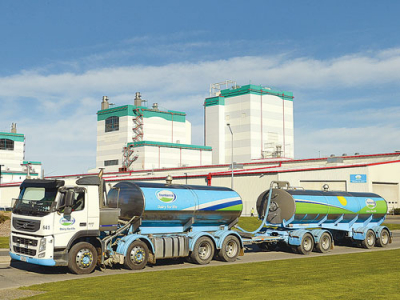
Competition has been achieved: Fonterra’s market share has dropped from 91% to 82% and now the co-op must compete for milk. For example, Waikato can have tankers from as many as four different companies travelling its roads -- from Tatua, Fonterra, Synlait and Open Country Dairy.
DIRA now requires Fonterra to collect milk from any farmer who chooses to supply it. And that farmer may quit the co-op at will.
Similarly, new dairy companies may pick and choose which farmers they sign up. This has seen new companies enter the market so that their suppliers, knowing that if it didn’t work out they could return to Fonterra, had the confidence to move their supply.
Fonterra argues that this means there’s no longer a need for open entry and that if it continues too long it will wipe out the progress made.
Also needing review are DIRA raw milk regulations that require Fonterra to supply raw milk at a regulated price to independent dairy companies.
That makes sense in the domestic market, but when overseas-owned independent processors buy subsidised milk from Fonterra and then use it to compete with the co-op in overseas markets, something isn’t right.
Fonterra farmers correctly insist we need to be giving New Zealand-owned dairy companies a fair go, rather than see NZ dairy farmers subsidising foreign-owned companies. Fonterra farmers want to see as much value as possible captured from NZ milk for Kiwis.
Parts of DIRA need changing because times have changed. When Fonterra was formed it was nearly a monopoly, but now it must compete for milk.
Private companies get to choose their suppliers and Fonterra must be free to do the same.
Fonterra Co-operative Group has confirmed the independently assessed candidates standing for election to its board in 2026.

Fonterra has revised its Farmgate Milk Price forecast for the 2026/27 season, lifting the midpoint and narrowing the range on the back of improving global dairy commodity prices.
Outgoing Fonterra Co-operative Council chair John Stevenson says that it has been a privilege to represent the co-op's farmer shareholders.
OPINION: It seems Canterbury processor Synlait is still in the doldrums.
OPINION: Get offside with New Zealand First leader Winston Peters at your own peril.


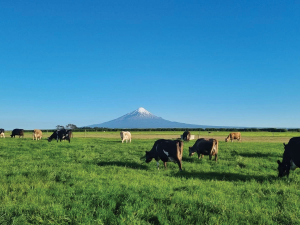
A spate of southerly winds bringing cold temperatures has presented challenges for Taranaki dairy farmers.
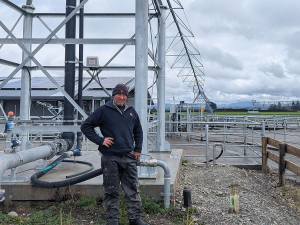
Converting a longstanding cropping farm to dairy was the only way to ensure the land stayed in the family long term, says new dairy farmer Rod May.
As the election heats up, Organics Aotearoa New Zealand (OANZ) has launched its election scorecard designed to help voters wanting to support policies that grow organic and New Zealand's organic sector.
A 'tsunami' of milk from key exporting countries is winding down and this may be good news for New Zealand dairy farmers.
Will the good times last? That's one of the key issues to come out of the latest Federated Farmers confidence survey.
Outgoing Fonterra Co-operative Council chair John Stevenson says that it has been a privilege to represent the co-op's farmer shareholders.