Fonterra FY26 Results: $9.69 Milk Price, $3.4bn Profit
Fonterra has unveiled its annual results for the 2026 financial year, posting $27 billion in revenue and close to $20 billion returned to New Zealand farmer owners and unit holders.
 increase font size
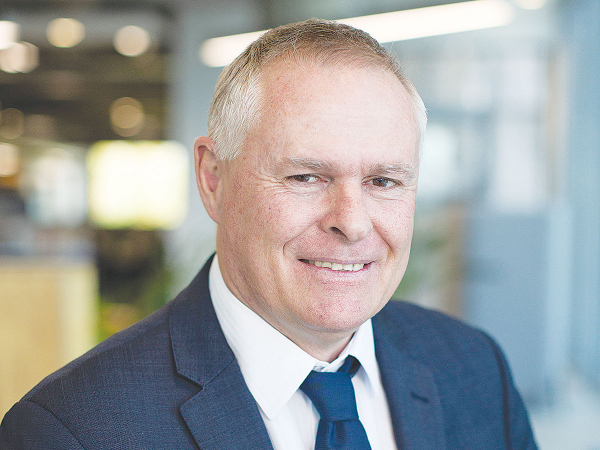 Fonterra chairman Peter McBride.
OPINION: Has Fonterra's capital structure review hit a snag?
If the volatile share price is anything to go by, then everything isn’t hunky dory within the co-operative.
When Fonterra released its proposals on May 6, chairman Peter McBride had a word of caution for farmer shareholders.
He expected moving to a farmer-only market, where only Fonterra farmers can trade shares among themselves, would impact the price at which co-op shares are traded.
He also cautioned that there may not be as much liquidity in the market.
Both the traded price of shares in Fonterra and traded price of units in the Fonterra Shareholders Fund (FSF) have collapsed since Fonterra started consulting its farmer shareholders.
Trading continues to be volatile. On May 6, Fonterra shares were trading at $4.56/share. By June 18, it had dropped to $2.80, wiping millions of dollars off farm balance sheets. Last week the price recovered a little and hovered around $3.60.
On May 6, FSF shares were trading at $4.60. Within six weeks it had shed almost a dollar.
A farmer-only market raises the question: who would be able to buy and hold shares? And what about sharemilkers and contract milkers supplying Fonterra?
Fonterra farmers also need to decide whether to keep the FSF. Again, there are mixed views among farmers.
Some farmers are questioning whether buying it back would be the best use of capital.
Removing the fund would involve an offer by Fonterra to unit holders to buy back their units at a fixed price. The approval of at least 75% of unit holders entitled to vote would be needed for the offer to be accepted. Fonterra’s consultation documents say that any fund buyback offer amount “would need to be acceptable to unit holders, fair to farmers and would need to make more sense to the co-op than the Capped Fund alternative.”
Another challenge is how to make any transition to a new capital structure as fair as possible for farmers.
With share prices nosediving, the co-op is looking at extending the timeframe in which current farmers can hold onto their shares once they retire or cease supply.
To get things moving in the right direction the chairman has been embarking on another round of farmer meetings throughout the country.
Whether he’s able to calm fears among shareholders and get them onside remains to be seen.
Fonterra has unveiled its annual results for the 2026 financial year, posting $27 billion in revenue and close to $20 billion returned to New Zealand farmer owners and unit holders.
Fonterra Co-operative Group has confirmed the independently assessed candidates standing for election to its board in 2026.
Fonterra has revised its Farmgate Milk Price forecast for the 2026/27 season, lifting the midpoint and narrowing the range on the back of improving global dairy commodity prices.
Outgoing Fonterra Co-operative Council chair John Stevenson says that it has been a privilege to represent the co-op's farmer shareholders.
OPINION: It seems Canterbury processor Synlait is still in the doldrums.


Farmers across parts of Southland and South Otago are continuing to deal with difficult conditions after a prolonged run of wet weather, with pressure building around feed supply, stock management, pasture damage, farm infrastructure and everyday workloads.
Federated Farmers says it welcomes Labour's commitment to reviewing the Sharemilking Agreements Act, calling on other major parties to do the same.
For Canterbury dairy farmers Sian Meijer and Rick Wobben, wearable technology has become one of their most valuable on-farm tools - helping manage 1850 cows across an expansive, high-performing dairy operation while improving efficiency, mating outcomes and day-to-day decision making.
Fonterra has unveiled its annual results for the 2026 financial year, posting $27 billion in revenue and close to $20 billion returned to New Zealand farmer owners and unit holders.
The first major update to the Dairy Cattle Code of Welfare in more than a decade has been released, marking what DairyNZ describes as an important step in ensuring animal welfare standards continue to evolve alongside scientific evidence and on-farm realities.
Ravensdown shareholders have elected Jane Montgomery and Kate Acland to the Ravensdown Board for three-year terms, following a closely contested director election.