Too Lenient
OPINION: Reckless action by Greenpeace in 2024 forced Fonterra to shut down a drying plant for four hours, costing the co-op about $300,000.
 increase font size
Greenpeace is again engaging in its favourite pastime….highlighting the state of NZ rivers and how fertiliser used on dairy farms are turning the rivers into hell holes.
Last week’s publicity stunt saw Greenpeace put up three billboards in Selwyn River, Waikirikiri – Canterbury.
Greenpeace says lakes and rivers once enjoyed by Kiwi families have become too polluted for our kids to swim in without fear of getting sick: it wants reduction in synthetic fertiliser use.
Now will be a good time to remind Greenpeace that almost 40 beaches in Auckland were deemed unsafe for swimming late last year due to human waste contamination.
Wonder if any billboards are going up there?
OPINION: Reckless action by Greenpeace in 2024 forced Fonterra to shut down a drying plant for four hours, costing the co-op about $300,000.

A day after selling its consumer businesses, Fonterra has settled a civil claim, filed by Greenpeace, out of court.
OPINION: Governments all over the world are dealing with the fuel crisis.
OPINION: Dark suited spin doctors exist to, well, spin, and the nice cuddly progressive types at Greenpeace Aotearoa practice this dark art with the same cynicism as your average corporate giant.
OPINION: In recent weeks beaches in Auckland, Wellington and Christchurch have been unsafe to swim in because of recent heavy rain triggering wastewater overflows throughout the region.



LIC shareholders have elected a new North Island representative to the co-operative's Board, along with five representatives to its Shareholder Reference Group (SRG), following the company's Annual Meeting held in Invercargill.
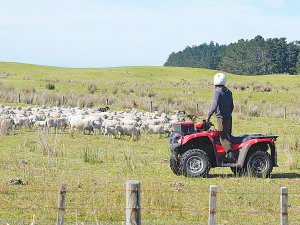
Farmers across parts of Southland and South Otago are continuing to deal with difficult conditions after a prolonged run of wet weather, with pressure building around feed supply, stock management, pasture damage, farm infrastructure and everyday workloads.
Federated Farmers says it welcomes Labour's commitment to reviewing the Sharemilking Agreements Act, calling on other major parties to do the same.
For Canterbury dairy farmers Sian Meijer and Rick Wobben, wearable technology has become one of their most valuable on-farm tools - helping manage 1850 cows across an expansive, high-performing dairy operation while improving efficiency, mating outcomes and day-to-day decision making.
Fonterra has unveiled its annual results for the 2026 financial year, posting $27 billion in revenue and close to $20 billion returned to New Zealand farmer owners and unit holders.
The first major update to the Dairy Cattle Code of Welfare in more than a decade has been released, marking what DairyNZ describes as an important step in ensuring animal welfare standards continue to evolve alongside scientific evidence and on-farm realities.