Fonterra FY26 Results: $9.69 Milk Price, $3.4bn Profit
Fonterra has unveiled its annual results for the 2026 financial year, posting $27 billion in revenue and close to $20 billion returned to New Zealand farmer owners and unit holders.
 increase font size
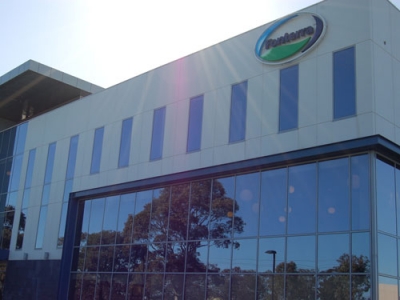
Farmers supplying Fonterra’s Wagga Wagga factory in the NSW Riverina have been offered a new pricing agreement aimed at taking the volatility out of milk income.
After years of farmer lobbying, the processer offered a ‘cap and collar’ option, which will put a floor and a ceiling on the farmgate milk price for three years.
About 20 farmers from Wagga Wagga and Finley districts supply the factory that produces Riverina Fresh products for the east coast market.
Euberta farmers Neil and Simone Jolliffe say they’ve sought this certainty since buying their farm seven years ago.
“When we bought the farm we were on A56 cents/L and the following year we dropped to A36c,” Jolliffe says.
“It’s come at a good time for us. We’re looking to grow the business but we didn’t want to grow it and take a big hit like we did in 2009. Now we’ve got an assurance that for the next three years this will be our price.”
Neil Jolliffe estimates this will mean his milk cheque will only fluctuate by about 4 cents/L over the next three years.
Fonterra has unveiled its annual results for the 2026 financial year, posting $27 billion in revenue and close to $20 billion returned to New Zealand farmer owners and unit holders.

Fonterra Co-operative Group has confirmed the independently assessed candidates standing for election to its board in 2026.
Fonterra has revised its Farmgate Milk Price forecast for the 2026/27 season, lifting the midpoint and narrowing the range on the back of improving global dairy commodity prices.
Outgoing Fonterra Co-operative Council chair John Stevenson says that it has been a privilege to represent the co-op's farmer shareholders.
OPINION: It seems Canterbury processor Synlait is still in the doldrums.


Federated Farmers says it welcomes Labour's commitment to reviewing the Sharemilking Agreements Act, calling on other major parties to do the same.
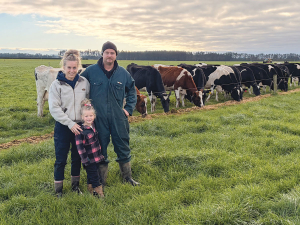
For Canterbury dairy farmers Sian Meijer and Rick Wobben, wearable technology has become one of their most valuable on-farm tools - helping manage 1850 cows across an expansive, high-performing dairy operation while improving efficiency, mating outcomes and day-to-day decision making.
Fonterra has unveiled its annual results for the 2026 financial year, posting $27 billion in revenue and close to $20 billion returned to New Zealand farmer owners and unit holders.
The first major update to the Dairy Cattle Code of Welfare in more than a decade has been released, marking what DairyNZ describes as an important step in ensuring animal welfare standards continue to evolve alongside scientific evidence and on-farm realities.
Ravensdown shareholders have elected Jane Montgomery and Kate Acland to the Ravensdown Board for three-year terms, following a closely contested director election.
Federated Farmers says new legislation replacing the Resource Management Act will cut red tape, unlock investment and help grow New Zealand's export-led economy, after the Planning Bill and Natural Environment Bill passed their third reading in Parliament yesterday.