Cyclone Gabrielle: Hawke's Bay Orchardists Still Recovering
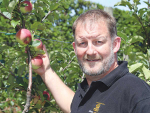
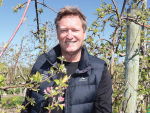
Three and a half years on from when Cyclone Gabrielle hit Hawke's Bay, some orchardists in the region are still receiving counselling to help them deal with the trauma they suffered.
 increase font size
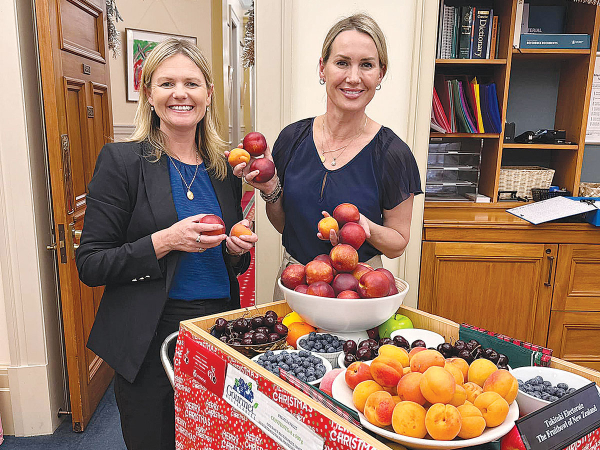 Horticulture Minister Nicola Grigg (right) and Tukituki MP Catherine Wedd spreading Christmas cheer around Parliament on behalf of fruit growers last Christmas. Photo: Facebook
Horticulture Minister Nicola Grigg says she takes her hat off to all NZ growers for the hard yards they have put in over the last few years which have resulted in horticulture exports expected to reach the milestone of $8 billion this year.
She says this has happened even though the sector has had to deal with some terrible weather events including Cyclone Gabrielle.
"This 12% growth is absolutely amazing," she says.
The MPI Situation Outlook Report for Primary Industries (SOPI) released just before Christmas showed that kiwifruit exports this year will be worth more than $3.4 billion - up from $2.8 billion a year ago.
At the same time, applea and pear exports will make just over $1 billion. These figures are somewhat astonishing given that so much fruit has been under pressure from the after effects of Gabrielle and other adverse weather events, and in normal circumstances, these figures would likely have been higher.
Grigg points out that to ensure that this growth continues, it is important that parliament gets the regulatory settings right, removes red tape, gets consistent rules right across the country and listens to the grass roots industry.
"My job is to get out to the regions and meet with the various horticulture sector groups and take their feedback to parliament so that my colleagues and other ministers are aware of the needs of the sector I am charged with championing," she says.
Grigg says while each of the sector groups have their own individual issues, in essence they are quite similar to each other.
Labour is a common concern and that is why the Government had made change to the RSE scheme.
Access to water storage are high on the priority list, she says, which is why a review of the National Policy Statement on freshwater is being undertaken.
The other issue she flags is one of access to capital for the sector and points to the inquiry into the banking sector as one means of addressing this.
"My job is to keep advocating for the growth of the sector and, so long as we here in the parliament get it right and the sector has the ambition and fortitude, then the sky is the limit," she says.
Three and a half years on from when Cyclone Gabrielle hit Hawke's Bay, some orchardists in the region are still receiving counselling to help them deal with the trauma they suffered.
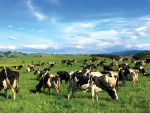
The first major update to the Dairy Cattle Code of Welfare in more than a decade has been released, marking what DairyNZ describes as an important step in ensuring animal welfare standards continue to evolve alongside scientific evidence and on-farm realities.
Environment Minister Nicola Grigg has announced details of a new rural plastics recycling scheme.
The Government is introducing a new nationwide rural recycling scheme that will significantly increase the recovery of farm plastics from March next year, Minister for the Environment Nicola Grigg announced today.
Testing confirms H5 bird flu in a single northern giant petrel, found dead on a remote Cape Palliser beach in the Wairarapa, says Dr Mary van Andel, the Ministry for Primary Industries' (MPI) Chief Veterinary Officer.


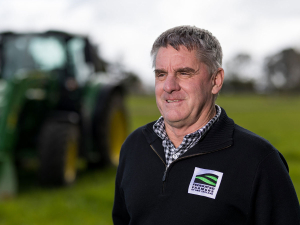
National’s pledge to introduce 19 new national standards shows the party is serious about getting Wellington out of farming, Federated Farmers says.
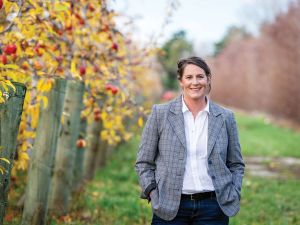
The National Party’s policies to make it easier to grow fresh vegetables, secure reliable water and energy and simplify farm planning are practical changes that will give growers the confidence to invest, according to Horticulture New Zealand (HortNZ).
Fonterra Co-operative Group chief financial officer Andrew Murray has resigned to take up a role outside the dairy giant.
A major move is about to get underway to improve the quality and viability of dairy beef and cattle in NZ.
Veterinarians say changes to the code of welfare for dairy cattle provides a positive foundation for improved cattle welfare across the country.
Today, 15 October, is the International Day of Rural Women, which recognises rural women’s contribution to farming, communities and the environment.