NZKGI Responds to Migrant Worker Exploitation Reports
Where any worker in the kiwifruit industry is mistreated, we expect the authorities to take action.
 increase font size
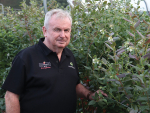
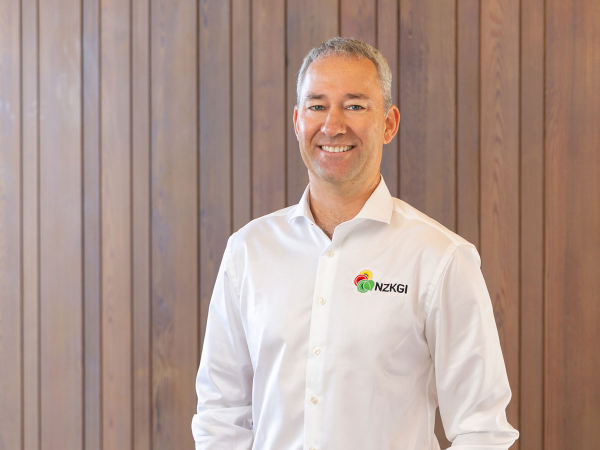 NZKGI chief executive Colin Bond
New Zealand Kiwifruit Growers Incorporated (NZKGI) will appeal a recent High Court decision that will allow a licence to grow SunGold Kiwifruit to be included in the value of land, and, therefore, growers’ property rates.
The ruling could have major ramifications for the industry.
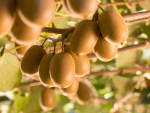
The case concerns the Bushmere Trust, which owns a 5.859 hectare property northwest of Gisborne. The Trust holds a licence from Zespri to grow sell SunGold, Gold3 or G3 kiwifruit.
The Land Valuation Tribunal held that the value of the licence needed to be deducted from the capital value of the property, putting its value at one equivalent to that of a green kiwifruit orchard.
The Gisborne District Council, supported by the Valuer-General, appealed that decision, taking it to the High Court.
The High Court ruled that the capital value (the price paid for an asset or group of assets) includes the value of the land as enhanced by the licence.
“Accordingly, under the Ratings Valuations Act 1998… the rateable value of the property includes the value of the SunGold licence,” the court ruled.
This would mean that the property value includes the value of the licence.
NZKGI chief executive Colin Bond says his organisation is disappointed by the decision.
He says NZKGI has advocated strongly on behalf of growers and recognises the importance of these proceedings as they are precedent-setting.
“Increasing industry costs can make the kiwifruit industry a less attractive investment and reduce growers spend in local communities, ultimately impacting upon economies across New Zealand,” says Bond.
He says Gisborne growers return over $80 million to the Gisborne economy and should be supported by their council.
“In 2022, growers paid a median of $921,150 (incl. GST) per hectare for SunGold licence.”
“The result is not just an issue for kiwifruit growers in the Gisborne district as the decision could be wide-ranging with other councils across New Zealand indicating that they will follow suit,” says Bond.
He adds that the case has been eagerly watched by other sectors of the horticultural industry who are concerned other local councils might adopt a similar approach.
“NZKGI will continue to advocate for growers in this space and seek leave to appeal from the High Court for this test case.”
Horticulture New Zealand chief executive Nadine Tunley says her organisation supports NZKGI’s decision to appeal the ruling.
“We are concerned that this ruling could be applicable to councils across New Zealand and expanded to other licenced crops.”
Where any worker in the kiwifruit industry is mistreated, we expect the authorities to take action.

Kiwifruit growers are watchful but remain optimistic as concerns around the potential effects of the El Niño weather pattern this season.
More signs of a booming kiwifruit sector.
Blueberries have the potential to become a major horticultural export, earning up to $150 million within the next three to five years.
Signs for the 2026-27 kiwifruit crop look good, but there are still some challenges for growers – especially those who produce green kiwifruit.


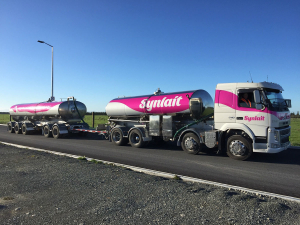
Synlait has swung to second-half profit as operations stabilise, but the dairy processor still posted a $75.4m annual loss.

LIC shareholders have elected a new North Island representative to the co-operative's Board, along with five representatives to its Shareholder Reference Group (SRG), following the company's Annual Meeting held in Invercargill.
Farmers across parts of Southland and South Otago are continuing to deal with difficult conditions after a prolonged run of wet weather, with pressure building around feed supply, stock management, pasture damage, farm infrastructure and everyday workloads.
Federated Farmers says it welcomes Labour's commitment to reviewing the Sharemilking Agreements Act, calling on other major parties to do the same.
For Canterbury dairy farmers Sian Meijer and Rick Wobben, wearable technology has become one of their most valuable on-farm tools - helping manage 1850 cows across an expansive, high-performing dairy operation while improving efficiency, mating outcomes and day-to-day decision making.
Fonterra has unveiled its annual results for the 2026 financial year, posting $27 billion in revenue and close to $20 billion returned to New Zealand farmer owners and unit holders.