New Research Reveals How Kiwis Really Like Their Hot Chips
New nationwide research has revealed exactly how Kiwis like to enjoy hot chips, with a simple sprinkle of salt coming out on top.
 increase font size
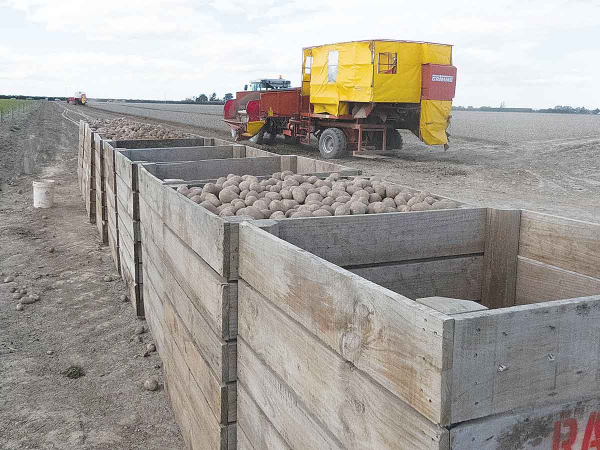 Despite warnings from the NZ potato sector, Agriculture Minister Damien O’Connor claims there’s no evidence of a surge in potatoes or frozen potato chips imports from the EU.
The Government is brushing away grower concerns about a looming potato invasion from the European Union.
Agriculture Minister Damien O’Connor told Rural News there’s no evidence of a surge in potatoes or frozen potato chips imports from the EU.
“This isn’t something we’re seeing,” he says.
New Zealand potato growers want the Government to impose short term limits on imports.
Potatoes NZ, the umbrella body for the $1b industry, is warning that a dump of EU potatoes and frozen chips into NZ would cause prices to plummet and could decimate the industry.
But the Government is indicating that it’s not keen to hinder trade agreements between NZ and the EU.
“While the Government would always support the use of New Zealand grown potatoes, these are commercial decisions for importers and businesses using fries,” says O’Connor.
“We’re a trading nation and we benefit greatly from our trade with other countries. Products flow between countries under normal commercial arrangements.”
National’s new agriculture spokesman David Bennett shares the concerns of potato growers and wants the Government to intervene.
“If New Zealand’s markets were flooded with these ‘cheap as chips’ potatoes it would be devastating to the industry and could see a major disruption to growers’ decisions about what they plant for this year’s crops.
“We encourage the minster to listen to the industry and to seek dialogue with them so they can get solutions that meet their needs.”
NZ processed potatoes account for 55% of NZ potato industry value and 85% of all fries eaten in NZ are from locally grown potatoes.
However, the potato fries business has taken a major hit during the COVID-19 lockdown, both here and overseas.
Potatoes NZ chief executive Chris Claridge says this has led to the complete collapse of potato prices in major production centres, in particular the EU.
“This will shortly lead to extraordinary price reductions in frozen potato chips from the EU,” he says.
The EU currently has approximately 2.6 million tonnes of surplus frozen fries that could soon end up in NZ and other countries.
“If urgent steps are not put in place to prevent it, New Zealand is likely to be swamped by imports of frozen potato chips at those extraordinary prices.
“That, together with the existing impact of the current pandemic, will in turn cause the New Zealand potato-growing and potato-processing industries to suffer severe and prolonged damage.
“This may lead to potato growers planting alternate crops and in turn lead to a shortage of New Zealand grown potatoes, which given New Zealand’s reliance on potatoes as a source of food, will represent a serious risk to food security.”
Meanwhile, New Zealand producers of frozen potato chips have built significant stock levels and are already having to deal with an oversupply of raw potatoes.
Claridge says, as a result, contracts with farmers for future potato production will be for reduced volumes, at lower prices.
He says the Government must help ensure local demand is first and foremost met through the supply of locally produced potato chips.
“Achieving that outcome will require some level of government intervention to dampen imports for a limited period of time.”
New nationwide research has revealed exactly how Kiwis like to enjoy hot chips, with a simple sprinkle of salt coming out on top.

The European Union ramped up its presence at this year's Fieldays.
A miserable budget that didn’t deliver much for anyone.
New Zealand and the European Union are closer than ever.
National's decision to ‘dribble’ information about the NZ/India to Labour contributed to the delay in it deciding to supported the FTA.


Safer Farms is urging farmers to make sure everyone working on farm has safe, suitable footwear for the job.
The Government is backing work on a community-led water storage scheme that could irrigate up to 11,000 more hectares of the Poverty Bay flats, Agriculture Minister Todd McClay says.
Agri-tech company Herd-i has become a new all-region sponsor of the New Zealand Dairy Industry Awards (NZDIA), the largest nationwide celebration of excellence in the dairy sector.
Four candidates have been confirmed for two director positions on Fonterra’s board.
Returning to the family dairy farm after playing 20 years of professional rugby around the world is no easy task.
After delivering another record farmgate milk price to 100 supplying farms, independent milk processor Tatua is entering thee new financial year with a positive outlook.