A European Union regulation ensuring that the products its citizens consume do not contribute to deforestation or forest degradation worldwide threatens $200m of New Zealand beef and leather exports.
The European Union Deforestation Regulation (EUDR) comes into effect on December 30 this year.
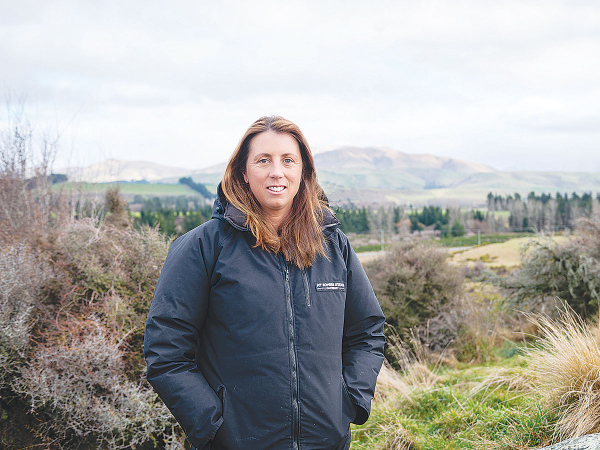
Beef + Lamb NZ chair Kate Acland, who recently visited Europe as part of a trip to meet key international counterparts, says the EUDR threatens $200 million of New Zealand beef and leather exports, despite deforestation not being an issue in New Zealand.
“Instead, we have the opposite problem of afforestation - pine trees being planted for carbon credits - on our sheep and beef farms,” she says.
B+LNZ has long argued the EUDR is onerous, complex and a non-tariff barrier to trade.
Acland says their previous advocacy efforts helped strongly influenced the EU decision to delay its implementation. The EU granted a 12-month additional phasing-in period last year.
“The EU is still looking to implement the EUDR but from my discussions it’s clear that producers within EU countries are starting to realise this law will also apply to their products and create additional cost and administrative burden. Even countries considered low risk will have to show compliance,” Acland says.
“This shared concern could provide an opportunity to work together to influence changes.
“We continue to argue that New Zealand should be considered no risk and will keep pushing, right up to the day the EUDR is implemented, if necessary.”