
James Blair Named 2026 Young Grower of the Year
The potato industry is celebrating the success of two rising stars - James Blair, the 2026 Young Grower of the Year and runner-up and innovation award winner, Amber Davy.




 increase font size
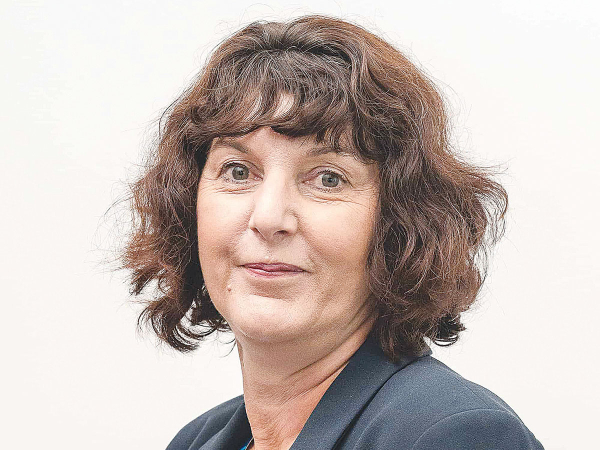 Potatoes NZ chief executive Kate Trufitt.
Regulation changes, future proofing the industry and ensuring fair returns are some of the challenges facing potato growers, according to Potatoes New Zealand chief executive Kate Trufitt.
She points out that while farmers love growing potatoes, those involved in the billion-dollar industry also need to see a fair return for their efforts.
Trufitt says this is currently being eroded by cost of compliance and limitations being set by local governments.
"Potatoes are not grown in isolation and tend to form part of a growing system, rotated with other crops or animal farming. This is not always recognised when rules are put in place," Trufitt told Rural News.
Trufitt, who completed one year in the role in August, says it has been an incredible journey championing the interests of potato growers.
"I'm honoured to lead such a dynamic industry and work alongside a team that shares my commitment to growth and excellence.
"The potato industry is crucial to New Zealand's economy, and I'm excited to continue advancing initiatives that support our growers, enhance our research and promote our potatoes, both locally and internationally."
Key highlights include a successful levy vote. PNZ secured an impressive 94.74% approval for the proposed commodity levy from the eligible voting growers, reflecting broad support.
Trufitt also played a key role in the development of Strategy 2028. She says the forward-looking strategy, shaped by extensive grower consultation and industry feedback, aims to guide the sector's growth and resilience over the coming years.
Despite various challenges, Trufitt believes the outlook for the New Zealand potato industry remains positive.
Her strategic vision is set to enhance key relationships, expand market opportunities, and strengthen the industry by directly visiting growers and stakeholders.
Trufitt also enthusiastic about expanding Potatoes New Zealand's international presence and further advancing practices that will benefit the industry for generations to come.
"There's so much more we can achieve. I'm excited about the future and the possibilities it holds for our industry.
"Together, we can ensure that New Zealand potatoes remain a staple on tables across the country and beyond."
The top three potato producing regions in New Zealand are Canterbury/Westland, Auckland and Manawatu. The domestic value of the New Zealand table potato sector comprises 36% of the total domestic potato sector value. In 2021-22, over $1 billion worth of potatoes were produced by NZ growers. However, this dropped to $931m in 2022-23.
Domestically consumed processed (crisps) and frozen/fries potatoes make up 62.5% of the total domestic industry value in 2023.
The export market accounts for 12.5% of total potato industry value for 2023, which is an increase from 8.3% in 2022.
Planted area has dropped 18.6% between 2018 and 2023, a loss of 1920 ha.
Total annual potato production has reduced by 107,990 tonnes between 2018 and 2023, a decrease of 20.5%.
The potato industry is celebrating the success of two rising stars - James Blair, the 2026 Young Grower of the Year and runner-up and innovation award winner, Amber Davy.

Potatoes New Zealand has congratulated Peter Reynolds of TA Reynolds Ltd in Pukekohe on being awarded the Horticulture New Zealand Bledisloe Cup, recognising a lifetime of service and contribution to New Zealand horticulture.
New nationwide research has revealed exactly how Kiwis like to enjoy hot chips, with a simple sprinkle of salt coming out on top.
New Zealand’s vegetable sector will take centre stage at Parliament today, celebrating a vital industry and sharing a clear, future focused vision for how it can continue to thrive.
Potatoes New Zealand says it congratulates Amber Davy of Eurogrow on her recent win at the 2026 Canterbury Young Grower of the Year competition.


Safer Farms is urging farmers to make sure everyone working on farm has safe, suitable footwear for the job.
The Government is backing work on a community-led water storage scheme that could irrigate up to 11,000 more hectares of the Poverty Bay flats, Agriculture Minister Todd McClay says.
Agri-tech company Herd-i has become a new all-region sponsor of the New Zealand Dairy Industry Awards (NZDIA), the largest nationwide celebration of excellence in the dairy sector.
Four candidates have been confirmed for two director positions on Fonterra’s board.
Returning to the family dairy farm after playing 20 years of professional rugby around the world is no easy task.
After delivering another record farmgate milk price to 100 supplying farms, independent milk processor Tatua is entering thee new financial year with a positive outlook.



OPINION: The same mainstream media muppets that brought you Jacindamania in 2017 have been flat out pimping for the Opportunities…
OPINION: Your old mate reckons the atrocious way farmers in the UK are treated by their lords and masters in…




