
fbpx
Print this page
Monday, 09 November 2020 09:43

Trust and transparency key to hort’s future success

Written by  David Anderson
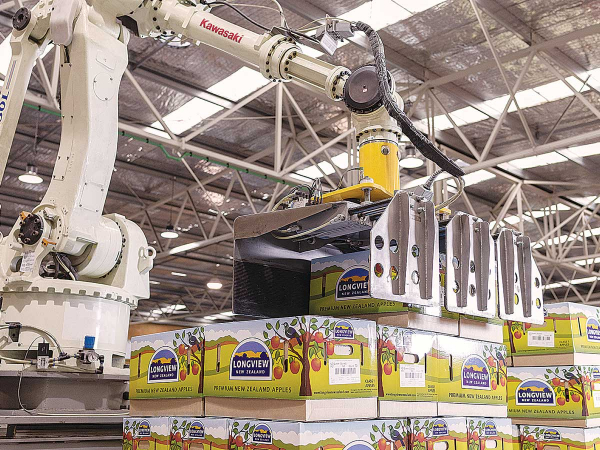
The fresh produce industry needs supply chains that have high levels of trust and transparency if it’s to experience greater success. Credit: Paul Sutherland Photography. The fresh produce industry needs supply chains that have high levels of trust and transparency if it’s to experience greater success. Credit: Paul Sutherland Photography.

Australia and New Zealand’s fresh produce industry needs supply chains that have high levels of trust and transparency for it to experience greater success.

This is one of the key findings of the State of the Industry Report 2020, recently released by the Produce Marketing Association Australia - New Zealand Limited (PMA-ANZ). 

The organisation commissioned Ernst & Young to explore supply chain inefficiencies within the fresh produce industry of both countries, and to identify opportunities for improvement and strategies to address consumer trends. 

“From the producer to the consumer there is a desire for more information”, PMA-ANZ chief executive Darren Keating says. 

“Data sharing, and the challenges that come with it are consistent opportunities for improvement to address consumer trends.”

The report also highlights key emerging trends, which have arisen rapidly as a result of the Covid-19 pandemic and the arrival of a significant and unexpected new mega driver.

“Covid-19 has driven change at a rapid pace, affecting the way we work, live, eat, move and use technology”, Keating says. “Trends that we had seen as slow burners that were to be prominent in shaping our future are here now.”

These include the rapid adoption of communication technology and online shopping, as well as a reset in the way the industry views food safety and health and safety.

The report provides support for the Australian and New Zealand fresh produce industry to identify, understand and adapt to the transformational trends of Covid-19. 

“It is the starting point for industry, supply chains and businesses to look at the new trends that are shaping our world,” Keating adds. “Factors affecting how we run our businesses, and an understanding of the mindset of the post-pandemic consumer.”

Featured

Southland Farmers Face Wet Weather Toll, Support Available

Farmers across parts of Southland and South Otago are continuing to deal with difficult conditions after a prolonged run of wet weather, with pressure building around feed supply, stock management, pasture damage, farm infrastructure and everyday workloads.

How Wearable Tech Powers This 1,850-Cow Dairy Farm

For Canterbury dairy farmers Sian Meijer and Rick Wobben, wearable technology has become one of their most valuable on-farm tools - helping manage 1850 cows across an expansive, high-performing dairy operation while improving efficiency, mating outcomes and day-to-day decision making.

New Dairy Welfare Code Released, Takes Effect 2027

The first major update to the Dairy Cattle Code of Welfare in more than a decade has been released, marking what DairyNZ describes as an important step in ensuring animal welfare standards continue to evolve alongside scientific evidence and on-farm realities.

National

Machinery & Products