NZ Resets Science Funding Priorities After 30 Years
For the first time in more than 30 years the Government has set a new set of radical priorities for the science it funds - including agriculture.
 increase font size
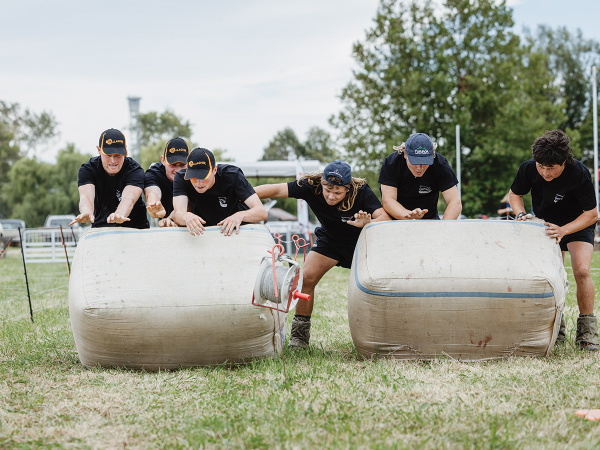 The Beef+Lamb NZ station challenge - Tukemokihi and Hereheretautau go head-to-head.
Engaging, thought provoking speakers, relevant seminars and relatable topics alongside innovative produces and services are the order of the day at the 2026 East Coast Farming Expo.
The boutique sheep and beef gathering - being held on February 18-19, 2026, at the Wairoa Racecourse - has become a firm favourite on the rural calendar for many.
It's a place to learn, try, buy, and connect. Event manager Sue Wilson says it was the perfect spot to network, delve into agribusiness and talk all things farming.
The seminar programme is packed with talent, including the Prime Minister's chief science advisor Dr John Roche, Ray Leach on Whangara Farms 100-year Whenua Optimisation Plan - He Rau Ake Ake, renowned agribusiness accountant Pita Alexander, former Ahuwhenua Young Māori Farmer of the Year Chloe Butcher and others.
The Property Brokers Evening Muster on Wednesday is always hugely popular as are the cadet and station challenges.
For event director David Martin, it made perfect sense to create an expo specifically for East Coast sheep and beef farmers. He came up with the idea when driving the tractor - he's the first to admit it's where he does his best thinking.
"Field days were never at the right time for our business, and I was sick of heaps of non-sheep and beef-related stuff," he says.
Add to that the vast numbers of people at the event which meant long wait times to see stretched sales teams.
"I thought, 'gee, wouldn't it be great to bring them to me? What if we do that in Wairoa?'"
So began the plan to create a sheep and beef-specific event, designed to attract just the right people.
That was 10 years ago and since then the event has grown in leaps and bounds. The goal has always been to help sheep and beef farmers connect with service and product providers in the easiest and most relaxed way they can.
"It's designed to be a low-stress environment," says Martin. "A lot of single-operator businesses don't have time to attend every display day. Our mid-week event enables farmers to get a few jobs done in the morning, attend the Expo, talk to a few exhibitors, catch a seminar or two, see a mate and still get home at a decent time to feed the animals."
In a nutshell, it's minimal time off the farm for maximum impact.
"There are huge benefits for farmers to talk to innovators and salespeople, and see and touch the product they are selling, or learn about a service.
For exhibitors, it opened the doors of opportunity at minimal cost.
"Farmers and teams are there for genuine reasons and looking for products or services to help their businesses."
The event is powered by the Wairoa Community Development Trust.
Event Details
What: East Coast Farming Expo
When: February 18-19, 2026
Where: Wairoa Racecourse, Wairoa, Northern Hawke's Bay
More Info: https://eastcoastexpo.co.nz
For the first time in more than 30 years the Government has set a new set of radical priorities for the science it funds - including agriculture.

OPINION: New Zealand's prosperity has always been built on farmers and scientists working together to shape our economy.
The Mountain Warrior Shane Cameron is coming back to his roots as key note speaker at the East Coast Farming Expo Property Brokers Evening Muster in February.
Tradition meets some of the latest in technology at the 2026 East Coast Farming Expo.
There's a special sort of energy at the East Coast Farming Expo, especially when it comes to youth.


Converting a longstanding cropping farm to dairy was the only way to ensure the land stayed in the family long term, says new dairy farmer Rod May.
As the election heats up, Organics Aotearoa New Zealand (OANZ) has launched its election scorecard designed to help voters wanting to support policies that grow organic and New Zealand's organic sector.
A 'tsunami' of milk from key exporting countries is winding down and this may be good news for New Zealand dairy farmers.
Will the good times last? That's one of the key issues to come out of the latest Federated Farmers confidence survey.
Outgoing Fonterra Co-operative Council chair John Stevenson says that it has been a privilege to represent the co-op's farmer shareholders.
Have a plan in place for your cows and staff.




