
Mountain Warrior's words of wisdom
The Mountain Warrior Shane Cameron is coming back to his roots as key note speaker at the East Coast Farming Expo Property Brokers Evening Muster in February.




 increase font size
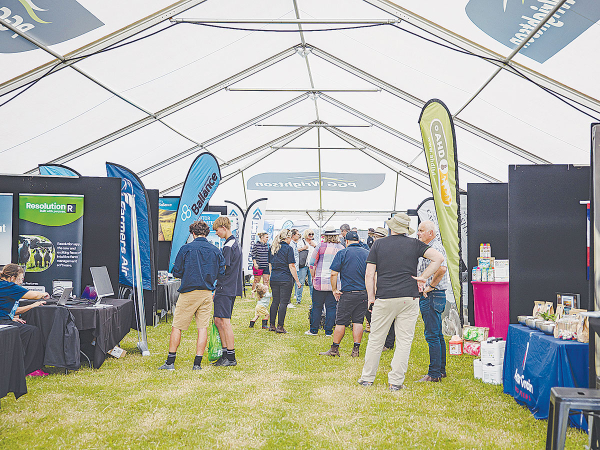 The two-day event will include top-notch technology displays and the place to go to mix and mingle with likeminded people.
The countdown is on to be one of the most anticipated events in the sheep and beef industry, the East Coast Farming Expo.
The two day mid-week gathering is renowned for its thought-provoking speakers, top-notch technology displays, expertise and as the place to go to mix and mingle with like-minded people.
Organiser Sue Wilson says the focus is always to ensure East Coast sheep and beef farmers have the very best of information and innovation at their fingertips to help them make positive changes to their businesses.
Trade is at a record level this year, and tickets to the Property Brokers Evening Muster, featuring rugby league legend Tawera Nikau are selling fast.
The Expo is a chance to hear from Ahuwhenua Young Māori Farmer of the Year Ben Purua who overcame the toughest of challenges to become the best version of himself and is now helping others.
Another guest speaker is the fascinating James Powrie, the chief executive of the Hawke's Bay Forestry Group, who are collaborating to do some exciting experimental projects with woody debris. He also leads the Urban Kakabeak Project that aims to secure genetics of the wild Kakabeak to ensure it doesn't disappear forever.
Beef + Lamb New Zealand animal health research principal scientist Cara Brosnahan - the Wormwise facilitator for the Gisborne and Wairoa region - will discuss managing facial eczema and parasites on farm.
Virtual fencing is the way of the future according to hill country farmer James Parsons who delves into this "game changing" option during his presentation with Central Hawke's Bay farmer Mathew Barham.
Ngā Wahine te Pamu Nancy Crawshaw, Mickey Trotter, Alice Anderson and Ariana Hadfield are poised to give in-depth insights into the many opportunities and successes for women in the primary industries.
Andrew Hoggard, Minister for Biosecurity and Food Safety and Associate Minister of Agriculture and for the Environment, will be speaking at 2.30pm on Thursday.
Land use options following the December Government announcement to limit farm to forestry conversions entering the Emissions Trading Scheme will be the topic delved into by Property Brokers rural general manager Conrad Wilkshire on Wednesday.
The Rural News Cadet Challenge and Beef + Lamb NZ Station Challenge bring plenty of fund with a serious message to the Expo.
The Wairoa Community Development Trust has been delivering the Expo for years now, riding out the challenging times including Covid and cyclones.
Their goal is simple - to enhance the rural social landscape and contribute to a thriving and vibrant region, and they do that whatever they can. Trust chair Sefton Alexander says they know and understand the rural landscape and like to celebrate the innovation, talent and people of the East Coast.
Wilson says the trust will continue to deliver an event designed especially to connect agribusinesses with sheep and beef farmers, enabling quality conversations and opportunities to keep building relationships with our East Coast farming communities.
"Events like this are important to our rural communities but can only be done with the ongoing support from our sponsors, volunteers and supporters," she says.
Event Details
What: East Coast Farming Expo
When: February 19-20, 2025
Where: Wairoa Race Course, Wairoa
More Info: http://www.eastcoastexpo.co.nz
The Mountain Warrior Shane Cameron is coming back to his roots as key note speaker at the East Coast Farming Expo Property Brokers Evening Muster in February.
Tradition meets some of the latest in technology at the 2026 East Coast Farming Expo.
There's a special sort of energy at the East Coast Farming Expo, especially when it comes to youth.
Farmers' health and wellbeing will take centre stage with a new hub at the 2026 East Coast Farming Expo.
Engaging, thought provoking speakers, relevant seminars and relatable topics alongside innovative produces and services are the order of the day at the 2026 East Coast Farming Expo.


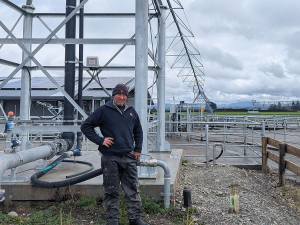
Converting a longstanding cropping farm to dairy was the only way to ensure the land stayed in the family long term, says new dairy farmer Rod May.
As the election heats up, Organics Aotearoa New Zealand (OANZ) has launched its election scorecard designed to help voters wanting to support policies that grow organic and New Zealand's organic sector.
A 'tsunami' of milk from key exporting countries is winding down and this may be good news for New Zealand dairy farmers.
Will the good times last? That's one of the key issues to come out of the latest Federated Farmers confidence survey.
Outgoing Fonterra Co-operative Council chair John Stevenson says that it has been a privilege to represent the co-op's farmer shareholders.
Have a plan in place for your cows and staff.




OPINION: The same mainstream media muppets that brought you Jacindamania in 2017 have been flat out pimping for the Opportunities…
OPINION: Your old mate reckons the atrocious way farmers in the UK are treated by their lords and masters in…




