Pāmu FY26 Report: Profit More Than Doubles to $113m
Pāmu has released its FY26 Integrated Annual Report, reporting a Net Operating Profit of $113 million, more than double the $49 million recorded in FY25.
 increase font size
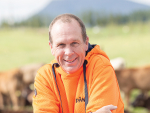
 Massey University’s head of agriculture Dr Peter Kemp.
THE AGRICULTURE-BASED degree courses at Massey have changed and kept pace with the changing demands of the primary sector. If you are bright enough then maybe a career in the agribusiness sector is for you.
Head of Massey University’s Institute of Agriculture and Environment, Professor Peter Kemp, says at long last he is starting to see a change in attitudes about channelling bright young people towards a career in the wider primary sector.
Kemp says the days when careers advisors told less able students to make a career in agriculture are gradually disappearing.
“The key messages the industry and Massey have been getting out is that doing agriculture doesn’t mean you can only go farming – although some students do,” he told Rural News. “But there’re banking, marketing, advisory, engineering and food jobs, to name a few. This industry is really diversified.”
Kemp says for the last six years, the numbers of students studying some type of agriculture degree has been the highest for 30 years. Young people are starting to realise there are good job prospects in the sector and that it’s a place for talented people.
Many students studying agriculture-related degrees come from urban areas. “The demands of the primary sector means the pool of students coming from rural areas will not be sufficient for its needs. To get the numbers they have to come from the cities and provincial towns. Some students… come from central Auckland, but of course most still come from farms.”
Many others come from a background that’s given them a taste of the rural experience such as lifestyle blocks or they’ve had a classic holiday with, say, an uncle or aunt who owns a farm.
The agriculture-based degree courses at Massey have changed and kept pace with the changing demands of the primary sector, Kemp says. Degrees today have more science and new science.
“One challenge we have noticed in recent years is keeping students up to speed with some of the software that’s needed – not just spreadsheets, but Overseer and all the nutrient management stuff.
“Human resource management is also becoming important. Years ago in the classic ag degree you would have been learning dairying, pasture, soils and farm management. No-one taught human resource management, or foreign exchange, or understanding environmental issues… but they’re now a part of the overall degree.”
Kemp says the dairy industry is seeing more rapid change than in the past. The papers students take now have a strong emphasis on environmental issues.
“It’s our responsibility to make sure students are learning that,” he explains. “There are anti-farming types who regard farming as nothing but bad for the environment. But if you are on the inside, you are well aware that the farming industry is investing millions in trying to overcome some of these environmental problems.”
Pāmu has released its FY26 Integrated Annual Report, reporting a Net Operating Profit of $113 million, more than double the $49 million recorded in FY25.

Meat Industry Association data, released alongside the Red Meat Sector conference in Wellington, shows export value climbing across the US, China, UK and Canada.
Applications are set to open for the 2027 Zanda McDonald Award, a trans-Tasman award recognised for identifying and fast-tracking talented young leaders in agriculture and agribusiness.
Synlait has swung to second-half profit as operations stabilise, but the dairy processor still posted a $75.4m annual loss.
LIC shareholders have elected a new North Island representative to the co-operative's Board, along with five representatives to its Shareholder Reference Group (SRG), following the company's Annual Meeting held in Invercargill.


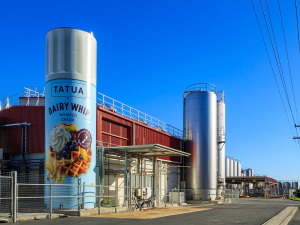
Waikato milk processor Tatua has again declared a record milk payout to farmer shareholders, leaving other processors in the dust.
A Labour-led Government won’t be bringing back the controversial freshwater rules of 2020.
National’s much-touted free trade deal with India featured in the Rural Issues Debate at Mystery Creek, Hamilton on Wednesday night.
New Zealand's 2026-27 freshwater fishing season has opened, with anglers encouraged to head to rivers and lakes over the coming days as conditions look favourable across much of the country.
Central Otago District Council (CODC) has voted against a plan to spread treated sewage sludge from Cromwell and Alexandra on farmland near Lauder, a decision Federated Farmers says reflects strong opposition from rural residents.
Pāmu has released its FY26 Integrated Annual Report, reporting a Net Operating Profit of $113 million, more than double the $49 million recorded in FY25.