
NZ Beef Mince Now Over $24/kg as Export Demand Stays Strong
New Zealand consumers are paying more for beef mince than ever before, with the average retail price now sitting above $24 per kilogram, according to Rabobank.
 increase font size
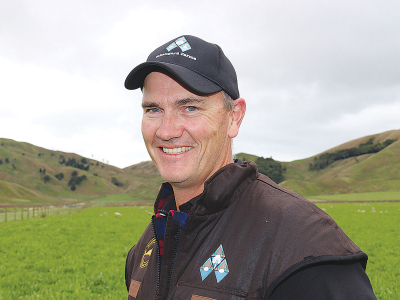 Whangara Farms manager Richard Scholefield.
A large East Coast Māori-owned farm has the McDonald's restaurant chain to thank for its recent improvements.
Last year it became the first farm outside Europe to win McDonald's ‘flagship’ status – one of only 29 to do so. Peter Burke reports on a recent visit to Whangara.
Whangara Farms, just north of Gisborne on SH35, is a partnership of three Māori incorporations running 75,000 stock units.
Always a special farm, this year it has gained another accolade by being named as one of three finalists in the Ahuwhenua Trophy competition to determine the top Māori sheep and beef farm.
The 8300 (6900 effective) property winters 50,000 sheep and about 6500 cattle. It’s a mix of steep and flat land with 17 full time staff. Whangara has contributed a lot to R&D in the region. It’s has been a Beef + Lamb NZ demonstration farm, a BLNZ innovation farm and a BLNZ beef progeny test site. It’s also a Farm IQ focus farm and AgResearch has pasture and forage plot trials there.
According to manager Richard Scholefield, Whangara has always sought to lift its game. For example, five years ago McDonald's asked them through their processing company, Silver Fern Farms, if they would be willing to do a project to improve their beef cattle operation. The project also involved BLNZ.
“Like most people we imagined it would be about more money for us so we said we’d have a look at the idea.
“We looked at what they were after and it was about modelling and sustainability as a whole farm and how it relates to beef cattle in particular.
“It was a three year project to analyse the effects of the cattle on the farm.”
Once started, Scholefield says they quickly realised they needed to complete their land environment plan to a higher standard. They brought in a consultant to help and the result was a ‘gold standard’ plan.
“It’s a major document that has mapped every part of our farm and also looked at land capability. For us it’s a guiding document and has changed the way we think. We were always big on sustainability, but this lifted our game to a new level and changed the way we look at things,” he says.
New Zealand consumers are paying more for beef mince than ever before, with the average retail price now sitting above $24 per kilogram, according to Rabobank.
Fonterra's Eltham site in Taranaki is stepping up its global impact with an upgrade to its processed cheese production lines, boosting capacity to meet growing international demand.
Feeding more than 1.5 million people a week takes more than quick service, it takes the ongoing work of New Zealand farmers and producers, according to McDonalds.
OPINION: Recently I spent a couple of days on the Macca's site at Fieldays.
McDonald's says it spent $546 million with Kiwi producers in 2023.



Federated Farmers says it welcomes Labour's commitment to reviewing the Sharemilking Agreements Act, calling on other major parties to do the same.
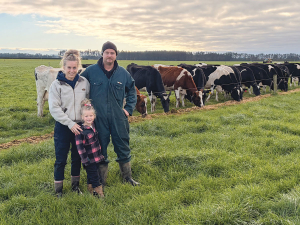
For Canterbury dairy farmers Sian Meijer and Rick Wobben, wearable technology has become one of their most valuable on-farm tools - helping manage 1850 cows across an expansive, high-performing dairy operation while improving efficiency, mating outcomes and day-to-day decision making.
Fonterra has unveiled its annual results for the 2026 financial year, posting $27 billion in revenue and close to $20 billion returned to New Zealand farmer owners and unit holders.
The first major update to the Dairy Cattle Code of Welfare in more than a decade has been released, marking what DairyNZ describes as an important step in ensuring animal welfare standards continue to evolve alongside scientific evidence and on-farm realities.
Ravensdown shareholders have elected Jane Montgomery and Kate Acland to the Ravensdown Board for three-year terms, following a closely contested director election.
Federated Farmers says new legislation replacing the Resource Management Act will cut red tape, unlock investment and help grow New Zealand's export-led economy, after the Planning Bill and Natural Environment Bill passed their third reading in Parliament yesterday.